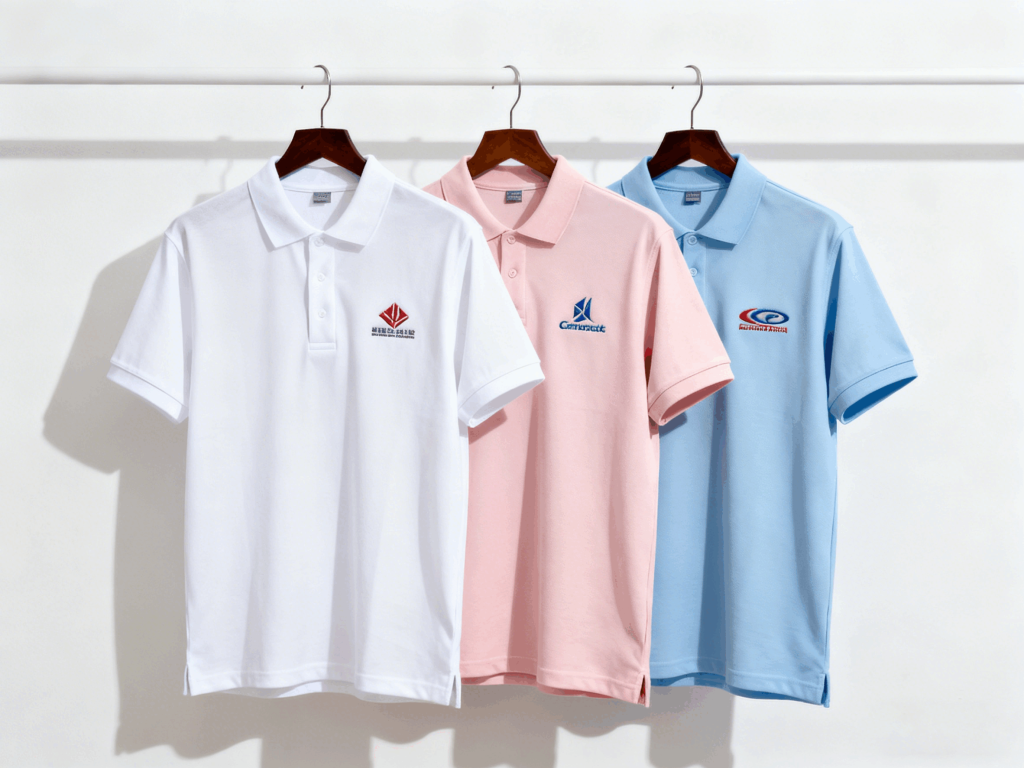
The cost to customize polo shirts depends on the shirt fabric, fabric weight, order quantity, logo method, logo size, number of logo positions, and level of customization. For bulk orders, choosing ready-stock polo shirts with embroidery or printing is often more cost-effective than developing a fully custom polo shirt from scratch.
There is no single price that applies to every order. A 50-piece order with a simple chest logo has a very different cost structure from 1,000 private-label polo shirts made with custom fabric, colors, labels, and packaging.
Understanding these cost factors will help you choose the right production method, compare supplier quotations more accurately, and avoid paying for customization you do not actually need.
What Determines the Cost of Custom Polo Shirts?
Several factors determine the final unit price of a custom polo shirt.
Polo Shirt Fabric
Fabric is one of the most important cost factors.
Common options include polyester, cotton-polyester blends, 100% cotton, combed cotton, cotton pique, organic cotton, and performance polyester.
Standard polyester and blended fabrics are often more cost-effective for uniforms and promotional orders. Premium cotton, organic cotton, specialty yarns, and performance fabrics can increase the material cost.
The best choice should depend on the application rather than simply selecting the cheapest fabric.
Fabric Weight and GSM
GSM means grams per square meter and indicates fabric weight.
A lightweight 150 GSM polo generally uses less material than a heavyweight 220 GSM polo of a similar construction.
Common polo shirt weights range approximately from 140 to 220+ GSM. Lightweight fabrics are popular for hot climates and promotional apparel, while heavier fabrics can provide a more substantial feel for premium polo shirts and workwear.
Higher GSM does not automatically mean higher quality. Fiber quality, knitting structure, finishing, and durability also matter.
Order Quantity
Quantity has a significant impact on the unit price.
Manufacturing involves setup costs for garment preparation, logo application, packaging, and other production processes. When these costs are distributed across more shirts, the cost per piece generally decreases.
This is why 500 or 1,000 polo shirts can usually achieve better unit economics than an order of 50 pieces with the same specifications.
Logo Size and Placement
Logo size directly affects decoration costs.
A small left-chest logo usually costs less than a large embroidered back design. Multiple logo positions also increase the amount of production work required.
For example, one chest logo will normally cost less than adding logos to the chest, sleeve, and back.
Customization Method
Embroidery, screen printing, heat transfer, and DTF all have different cost structures.
The best option depends on your artwork, fabric, quantity, logo size, and desired appearance.
Choosing the right method can reduce costs without compromising the intended design.
Labels and Packaging
Private-label details can add to the final price.
These may include woven labels, care labels, size labels, hang tags, branded poly bags, boxes, or other custom packaging.
For corporate uniforms, standard packaging may be sufficient. Retail brands may consider these additional details essential to the finished product.
| Cost Factor | Lower-Cost Option | Higher-Cost Option |
|---|---|---|
| Fabric | Polyester / Blend | Premium Cotton / Organic Cotton |
| Quantity | Larger bulk order | Small order |
| Logo | Simple print | Detailed embroidery |
| Logo Positions | 1 position | Multiple positions |
| Product | Ready-stock polo | Fully custom OEM polo |
| Packaging | Standard poly bag | Custom branded packaging |
How Much Do Custom Polo Shirts Cost by Quantity?
Rather than looking for one universal custom polo shirt price, it is more useful to understand how quantity changes the sourcing strategy.
50 Pieces
A 50-piece order is suitable for small businesses, startup brands, corporate teams, events, and test orders.
At this quantity, ready-stock polo shirts with logo customization are often more practical because the garment has already been produced. You can select an existing style and add embroidery, printing, or heat transfer without developing a new garment from scratch.
100–500 Pieces
At 100–500 pieces, the unit cost generally begins to decrease as production becomes more efficient.
This quantity range is common for corporate uniforms, hospitality clothing, wholesalers, promotional projects, and growing brands.
Buyers can compare ready-stock customization with OEM production depending on how much control they need over the product.
1,000+ Pieces
Orders of 1,000 pieces or more usually have stronger bulk pricing potential.
At this volume, full OEM manufacturing can also become more practical when the project requires custom fabrics, Pantone colors, patterns, labels, trims, or packaging.
However, additional product development requirements still affect the final price.
How Much Does It Cost to Add a Logo to a Polo Shirt?
The polo shirt embroidery cost or custom polo shirt printing cost depends on the decoration method, artwork, dimensions, quantity, and number of positions.
Embroidery
Embroidery is commonly used for chest logos on corporate, golf, school, and premium polo shirts.
Pricing is influenced by the logo size, stitch count, complexity, and number of embroidery positions.
A simple small chest logo usually requires fewer stitches than a large, detailed design and is therefore more economical.
Screen Printing
Screen printing is often suitable for larger quantities and relatively simple designs.
Because screens must be prepared for production, the cost per shirt generally becomes more competitive as quantity increases.
The number of colors and print locations can also affect pricing.
Heat Transfer / DTF
Heat transfer and DTF are flexible options for smaller quantities, multicolor logos, names, numbers, and complex artwork.
They can be particularly useful when a design contains details that would be difficult or expensive to reproduce with embroidery.
Is Ready-Stock Polo Shirt Customization Cheaper?
If you do not need a completely custom fabric, pattern, or color, choosing ready-stock polo shirts and adding your logo can significantly reduce development time and upfront costs.
The basic garment has already been produced, so you can focus on selecting the style, color, sizes, and logo method.
This makes ready-stock customization particularly useful for small and medium bulk orders.
Ready Stock + Light Customization
Need custom polo shirts without full OEM production? Choose from our ready-stock polo shirts and add your logo with embroidery, heat transfer or printing.
Ready Stock vs Full OEM Custom Polo Shirts: Which Costs Less?
Ready-stock customization and full OEM production serve different purchasing requirements.
| Ready Stock + Logo | Full OEM Polo | |
|---|---|---|
| MOQ | Lower | Usually higher |
| Fabric | Existing options | Customizable |
| Colors | Existing colors | Custom colors available |
| Logo | Yes | Yes |
| Labels | Limited / optional | Fully customizable |
| Pattern | Existing fit | Custom pattern |
| Lead Time | Faster | Longer |
| Development Cost | Lower | Higher |
| Best For | Small & medium orders | Brand collections & bulk orders |
Ready Stock + Light Customization is usually more suitable for buyers ordering approximately 50–500 pieces who prioritize faster production, lower development costs, and straightforward logo customization.
Full OEM Polo Manufacturing is more suitable when a buyer requires custom fabric, GSM, Pantone colors, measurements, collar construction, labels, trims, or branded packaging.
The right choice depends on what needs to be customized—not simply which option has the lowest initial price.
How to Reduce the Cost of Custom Polo Shirts
There are several practical ways to control your budget.
1. Increase the order quantity. Larger orders can reduce the unit cost by spreading setup and production costs across more garments.
2. Use ready-stock styles. If you only need a logo, using an existing polo can eliminate unnecessary product development.
3. Limit logo positions. One chest logo is generally more economical than decorating the chest, sleeves, and back.
4. Choose the right decoration method. Don’t automatically select embroidery or printing. Choose the technique that best matches your design and quantity.
5. Avoid unnecessary custom packaging. Standard packaging can be sufficient for uniforms, internal company clothing, and some wholesale orders.
6. Confirm artwork before sampling. Providing the correct logo file, dimensions, colors, and placement from the beginning can reduce revisions.
Reducing costs should mean removing unnecessary production steps—not simply choosing lower-quality materials.
What Information Do You Need for an Accurate Quote?
To receive an accurate custom polo shirt quotation, provide your supplier with as much information as possible.
Ideally, your inquiry should include:
- Quantity
- Polo shirt style
- Fabric preference
- GSM if known
- Garment color
- Size breakdown
- Logo artwork
- Logo dimensions
- Logo position
- Embroidery or printing preference
- Label requirements
- Packaging requirements
- Destination country
For example:
500 pcs / Cotton Pique / 180 GSM / Navy / S–XXL / 8 cm Left Chest Embroidery / Standard Packaging / Shipping to USA
If you do not know the fabric specification, describe the application instead. A manufacturer can recommend suitable options based on whether the polo shirts are intended for corporate uniforms, hospitality, golf, sports, workwear, or retail.
Frequently Asked Questions About Custom Polo Shirt Costs
How much does it cost to put a logo on a polo shirt?
The cost depends on the logo technique, size, complexity, quantity, and number of positions. A small chest logo will generally cost less than a large or multi-position design.
Is embroidery more expensive than printing on polo shirts?
Embroidery can cost more for large or highly detailed designs because pricing is influenced by stitch count. However, the actual comparison depends on the artwork, quantity, print method, and fabric.
Are custom polo shirts cheaper in bulk?
Generally, yes. Larger orders usually achieve lower unit costs because setup and production costs are distributed across more garments.
What is the minimum order for custom polo shirts?
MOQ depends on the supplier and production method. Ready-stock polo shirts with light customization can support lower quantities, with some programs starting from around 50 pieces.
Is it cheaper to customize ready-stock polo shirts?
For small and medium orders requiring mainly logo customization, ready-stock polos can be more cost-effective because the fabric, pattern, colors, and garment have already been developed.
How long does it take to customize polo shirts?
Lead time depends on quantity, customization method, stock availability, and whether the order uses ready-stock garments or full OEM production. Simple ready-stock logo customization is generally faster than developing a completely custom polo shirt.
Final Thoughts
The answer to how much it costs to customize polo shirts depends on the specification behind the order.
Fabric, GSM, quantity, logo size, decoration method, labels, packaging, and the level of garment customization all affect the final price.
If you mainly need existing polo shirts with your company or brand logo, ready-stock + light customization can provide a faster and more cost-effective solution.
If you need complete control over the fabric, colors, fit, collar, labels, trims, and packaging, full OEM manufacturing is the more appropriate route.
Define your requirements first, then compare quotations based on the same specifications. This will give you a much more meaningful cost comparison than simply choosing the lowest price per shirt.