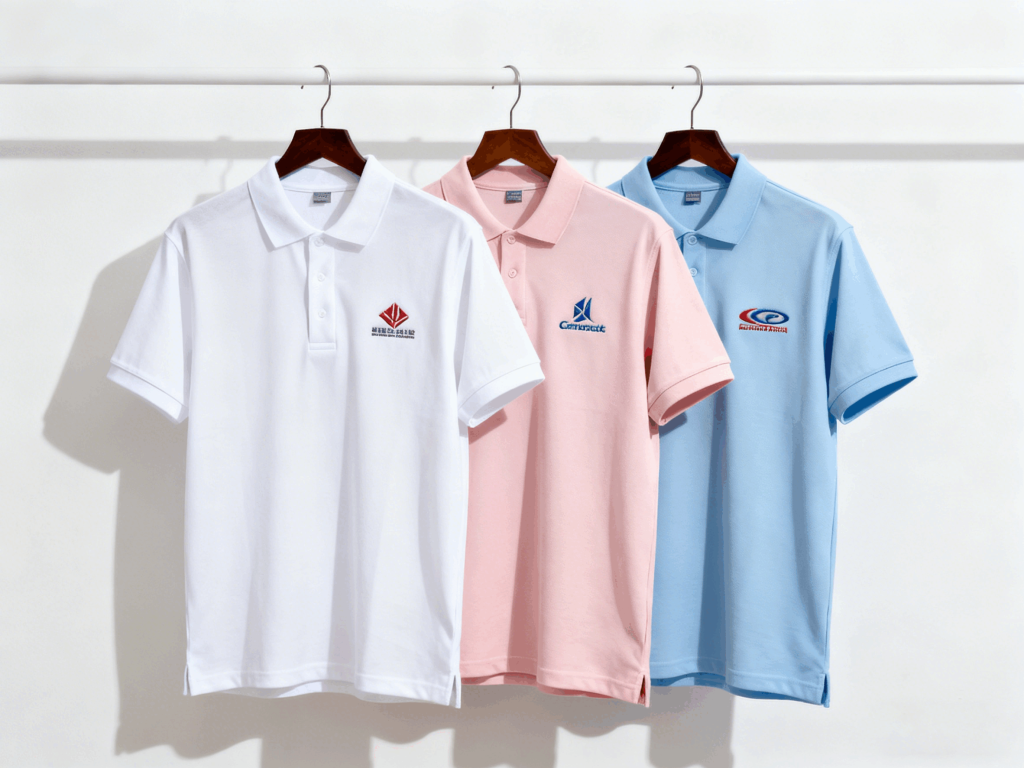
When comparing cotton vs polyester polo shirts, the main differences are comfort, breathability, moisture management, durability, drying speed, and maintenance. Cotton polo shirts offer a soft, natural feel and are popular for casual wear and premium apparel. Polyester polo shirts are durable, quick-drying, and commonly used for sportswear, workwear, and corporate uniforms.
Neither fabric is always better. The right choice depends on where the polo shirt will be worn, how frequently it will be washed, the climate, logo customization requirements, and your target budget.
For brands and bulk buyers, understanding these differences can make it easier to choose the right fabric before starting custom polo shirt production.
What Is a Cotton Polo Shirt?
Cotton polo shirts are made entirely or primarily from natural cotton fibers.
Cotton is widely used for polo shirts because of its softness, breathability, and comfortable hand feel. Popular cotton options include regular cotton, combed cotton, cotton pique, and organic cotton.
Cotton pique is particularly common for classic polo shirts because its textured knit creates the structured appearance traditionally associated with polo styles.
Advantages of Cotton Polo Shirts
Cotton offers several benefits:
- Soft and natural hand feel
- Good breathability
- Good moisture absorption
- Comfortable for everyday wear
- Classic and premium appearance
- Suitable for embroidery
For fashion brands, golf apparel, business casual clothing, and premium corporate uniforms, cotton can be an excellent choice.
One limitation is that cotton absorbs moisture rather than drying it rapidly. It may also shrink or wrinkle more than polyester depending on fabric construction and finishing.
What Is a Polyester Polo Shirt?
Polyester polo shirts are made from synthetic polyester fibers and are widely used when durability and performance are important.
Modern polyester fabrics can be engineered with lightweight, breathable, quick-dry, or moisture-wicking properties.
This makes them particularly useful for sports, outdoor activities, work uniforms, hospitality, and other applications where garments may be worn and washed frequently.
Advantages of Polyester Polo Shirts
Common advantages include:
- Quick drying
- Good durability
- Wrinkle resistance
- Good shape retention
- Easy maintenance
- Suitable for performance fabrics
- Useful for frequent washing
Polyester is also available in different knit structures, including pique, jersey, and bird-eye mesh.
For more information about fabric options, GSM, customization, and applications, explore our Polyester Polo Shirts.
Cotton vs Polyester Polo Shirts: Key Differences
The easiest way to understand the two fabrics is to compare their main characteristics.
| Feature | Cotton Polo Shirt | Polyester Polo Shirt |
|---|---|---|
| Feel | Soft and natural | Smooth / performance-focused |
| Breathability | Excellent | Good to excellent |
| Moisture Absorption | High | Low |
| Drying Speed | Slower | Faster |
| Durability | Good | Excellent |
| Wrinkle Resistance | Moderate | Excellent |
| Shape Retention | Good | Excellent |
| Everyday Comfort | Excellent | Good |
| Sports Use | Good | Excellent |
| Corporate Uniforms | Excellent | Excellent |
Actual performance depends on more than fiber composition. GSM, knitting structure, yarn quality, finishing, and garment construction can significantly affect the final product.
Which Is Better for Corporate Uniforms?
Both cotton and polyester can work well for corporate uniforms.
Cotton is suitable when comfort, natural texture, and a premium appearance are priorities. It works particularly well for office teams, retail employees, and customer-facing staff.
Polyester can be more practical when uniforms require frequent washing, fast drying, wrinkle resistance, and durability.
For hotels, restaurants, logistics teams, outdoor staff, and other demanding working environments, polyester may require less maintenance.
The choice should therefore be based on the actual working environment rather than appearance alone.
Which Is Better for Sports and Outdoor Polo Shirts?
Polyester is generally the stronger choice for sports and outdoor applications.
Because polyester fibers absorb relatively little moisture, performance fabrics can be designed to move moisture away from the body and dry quickly.
This is useful for:
- Golf
- Sports teams
- Outdoor events
- Delivery teams
- Summer uniforms
- Active workwear
Cotton can absorb sweat effectively but may become heavier and take longer to dry after absorbing significant moisture.
For high-activity applications, a lightweight polyester or quick-dry polo is usually more practical.
Which Fabric Is Better for Embroidery and Printing?
Both materials can support logo customization, but the best technique depends on the fabric construction and artwork.
Cotton pique provides a structured surface that works particularly well with embroidered chest logos.
Polyester pique can also support embroidery and is widely used for corporate and sports uniforms.
For lightweight performance polyester, heat transfer or other printing methods can be useful for larger and more detailed graphics.
Before production, consider the logo size, fabric GSM, design complexity, and intended use rather than choosing a decoration method based only on fiber type.
What About Cotton-Polyester Blend Polo Shirts?
Buyers do not always need to choose between 100% cotton and 100% polyester.
Cotton-polyester blends combine characteristics of both fibers.
For example, a CVC fabric contains a higher proportion of cotton than polyester and can provide a cotton-like feel while improving durability and shape retention.
Blended polo fabrics can be useful for:
- Corporate uniforms
- Hospitality apparel
- School uniforms
- Promotional clothing
- Everyday workwear
For buyers seeking a balance between comfort, durability, maintenance, and cost, a cotton-polyester blend is worth considering.
How to Choose Between Cotton and Polyester Polo Shirts
When sourcing polo shirts in bulk, consider these factors:
End Use: Cotton works well for premium and casual applications, while polyester is particularly suitable for performance and frequent-use environments.
Climate: Consider temperature, humidity, activity level, and how quickly the garment needs to dry.
GSM: Lightweight and heavyweight fabrics behave differently even when made from the same fiber.
Logo Method: Consider embroidery, screen printing, heat transfer, or DTF based on the fabric and artwork.
Maintenance: Polyester generally offers easier care, while cotton may require more attention to shrinkage and wrinkles.
Brand Positioning: Natural cotton can support a premium casual image, while performance polyester can be more appropriate for sports, outdoor, and technical applications.
Cotton vs Polyester Polo Shirt FAQs
Is cotton or polyester better for polo shirts?
Neither is universally better. Cotton is excellent for softness and natural comfort, while polyester is better suited to quick drying, durability, and performance applications.
Are polyester polo shirts breathable?
Yes. Breathability depends on the fabric structure. Polyester pique, mesh, and moisture-wicking fabrics can be designed for good airflow and active use.
Which polo shirt fabric lasts longer?
Polyester generally offers excellent durability and shape retention, especially with frequent washing. However, the lifespan of any polo shirt also depends on fabric quality, construction, and care.
Is cotton better for hot weather?
Cotton is breathable and comfortable in warm conditions, but it absorbs moisture and dries more slowly. For high activity in hot environments, lightweight quick-dry polyester may be more practical.
Can polyester polo shirts be embroidered?
Yes. Polyester polo shirts are commonly customized with embroidery. Logo size, stitch density, fabric weight, and stabilizer should be considered to achieve a clean result.
Final Thoughts
The choice between cotton vs polyester polo shirts comes down to the intended application.
Choose cotton when softness, natural comfort, breathability, and a classic appearance are the priorities.
Choose polyester when you need durability, quick drying, wrinkle resistance, easy maintenance, or performance characteristics.
For buyers who want characteristics from both materials, cotton-polyester blends provide another practical option.
Before placing a bulk order, consider the fabric composition, GSM, climate, end use, logo method, maintenance requirements, and budget together. Choosing the fabric based on the actual application will usually produce a better polo shirt than simply deciding between cotton and polyester based on price alone.