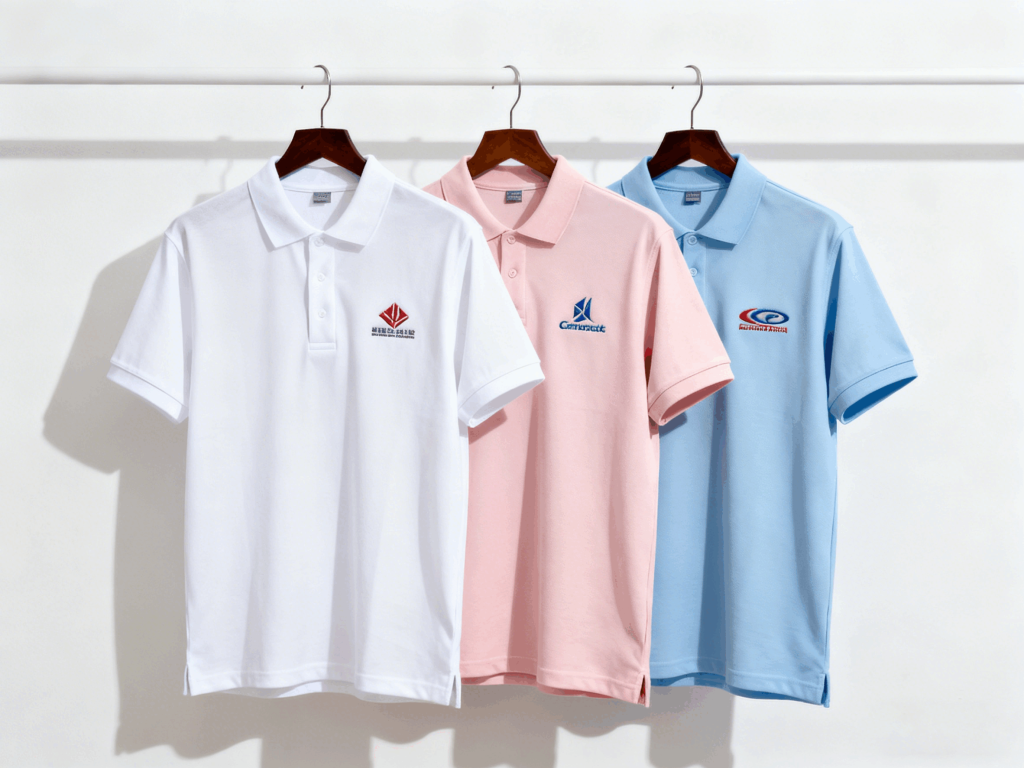
To order custom T-shirts in bulk, choose the garment, prepare a size breakdown, confirm the artwork, approve a sample, and agree on the complete price and delivery plan. The order runs more smoothly when those details are recorded in one brief instead of scattered across messages.
Whether you are buying for an event, a company team, or a small clothing collection, start with the intended use and required arrival date. A low unit price is only useful if the shirts fit, the branding looks right, and the shipment arrives when you need it.
1. Decide Between Ready Stock and Full Custom
Ready-stock customization starts with an existing garment. You select from available models, colors, and sizes, then discuss adding a logo or design. This is worth considering when the base shirt already meets your needs and you do not require a new pattern or specially developed fabric.
Full custom production involves more garment decisions, such as fit, fabric, trims, and construction. It may be appropriate for a distinctive retail collection. Ask how those choices affect sampling, minimum quantities, and scheduling before committing.
Start by browsing GOWDL’s ready-stock T-shirts. For a lightweight cotton option, review the YB 04 blank T-shirt and request the current specifications and size availability. Treat the listing as a starting point for your brief.
2. Build a Quantity List by Color and Size
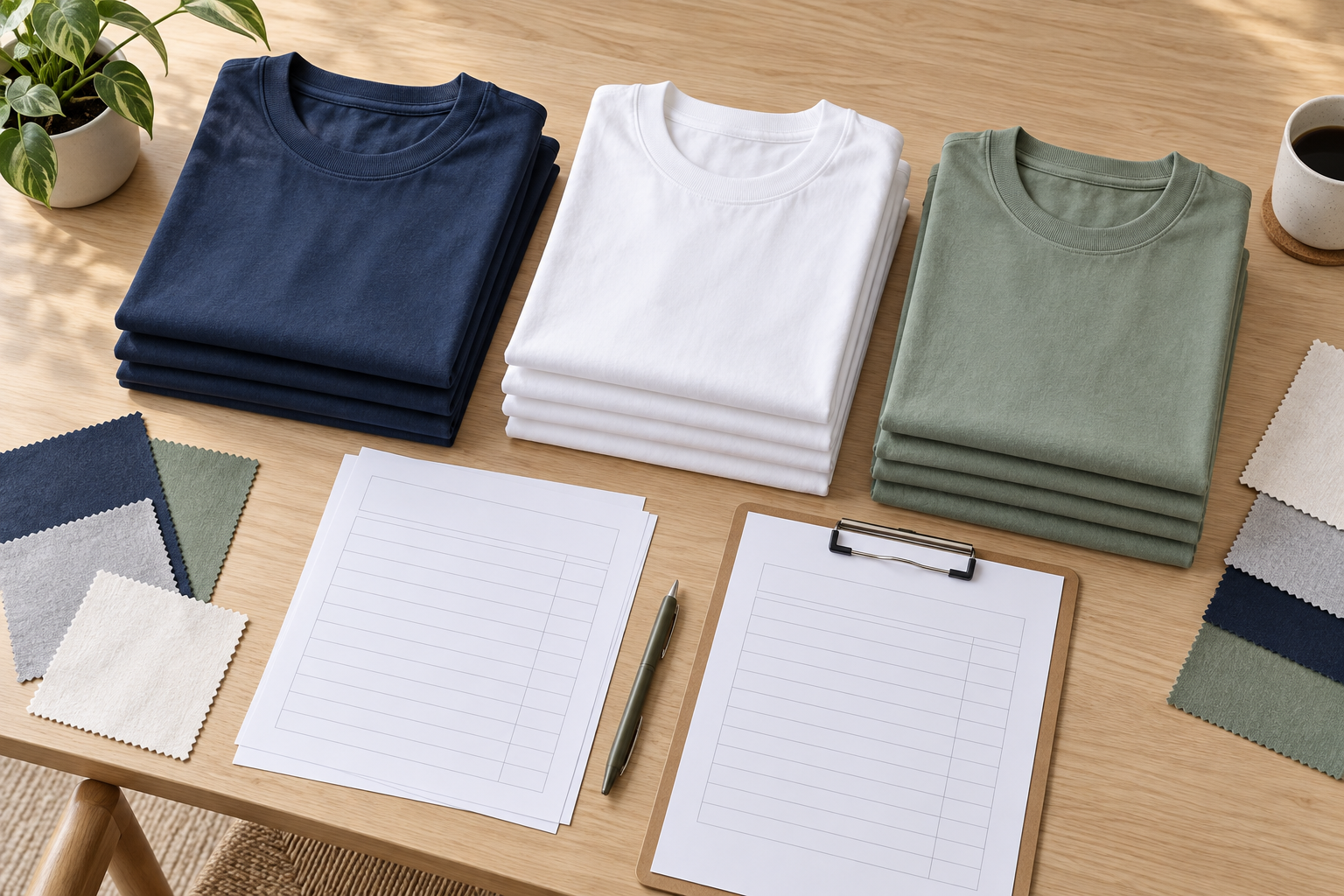
“We need 200 shirts” is enough to begin a conversation, but not enough to confirm stock. Prepare a grid with a row for each model and color, and columns for the required sizes. Check that the totals match your planned order.
For staff clothing, collect sizes against the selected model’s chart rather than asking everyone for their usual label. Arrange try-ons where practical. For merchandise, base the size mix on your own audience or sales information instead of dividing the order equally across sizes.
Ask whether the minimum order applies to the total order, each style, each color, or each decoration design. These are different requirements. If you need spare shirts, list them explicitly so they are included in the quotation.
3. Send Artwork with Clear Instructions
Provide the best available original artwork and ask which file format the decorator needs. Include the finished design width and height, print locations, and color references. “Large front logo” leaves too much room for interpretation.
Confirm the decoration method for the actual garment and artwork. Ask the supplier to explain any changes needed for fine lettering, gradients, or small details. Review the design on every garment color you intend to order; a logo that reads clearly on white may need a different treatment on navy.
Give approved files a clear version name and nominate one person to approve changes. If you revise the design, ask the supplier to acknowledge which version will be used before production proceeds.
4. Approve the Garment and Decoration Together
A blank sample helps you judge fit, fabric, and construction. A decorated sample lets you assess the final artwork on that garment. A digital mockup is useful for layout, but it cannot show the feel of a printed area or how the shirt behaves after washing.
Check key measurements, the neckline, seams, color, and logo placement. Follow the proposed care instructions for an agreed wash check, then inspect the garment and decoration again. Record any changes and keep the final approved sample as a reference.
5. Compare the Complete Quotation
Ask for the blank garment, decoration, setup, samples, labels, packing, and shipping to be identified clearly. Compare suppliers using the same garment requirements and artwork. A price for one small chest print cannot be compared directly with a price that includes front and back designs.
Confirm the currency, quotation validity, payment schedule, and any charges excluded from the total. Ask what happens if your size mix or artwork changes. Keep the agreed specifications with the quotation so you can see exactly what the price covers.
6. Plan Packing and Delivery Before Production
Work backward from the date the shirts must arrive. Separate sample approval, stock allocation or garment production, decoration, inspection, and transit. Ask which milestones depend on your approval and leave room for corrections where the event date is fixed.
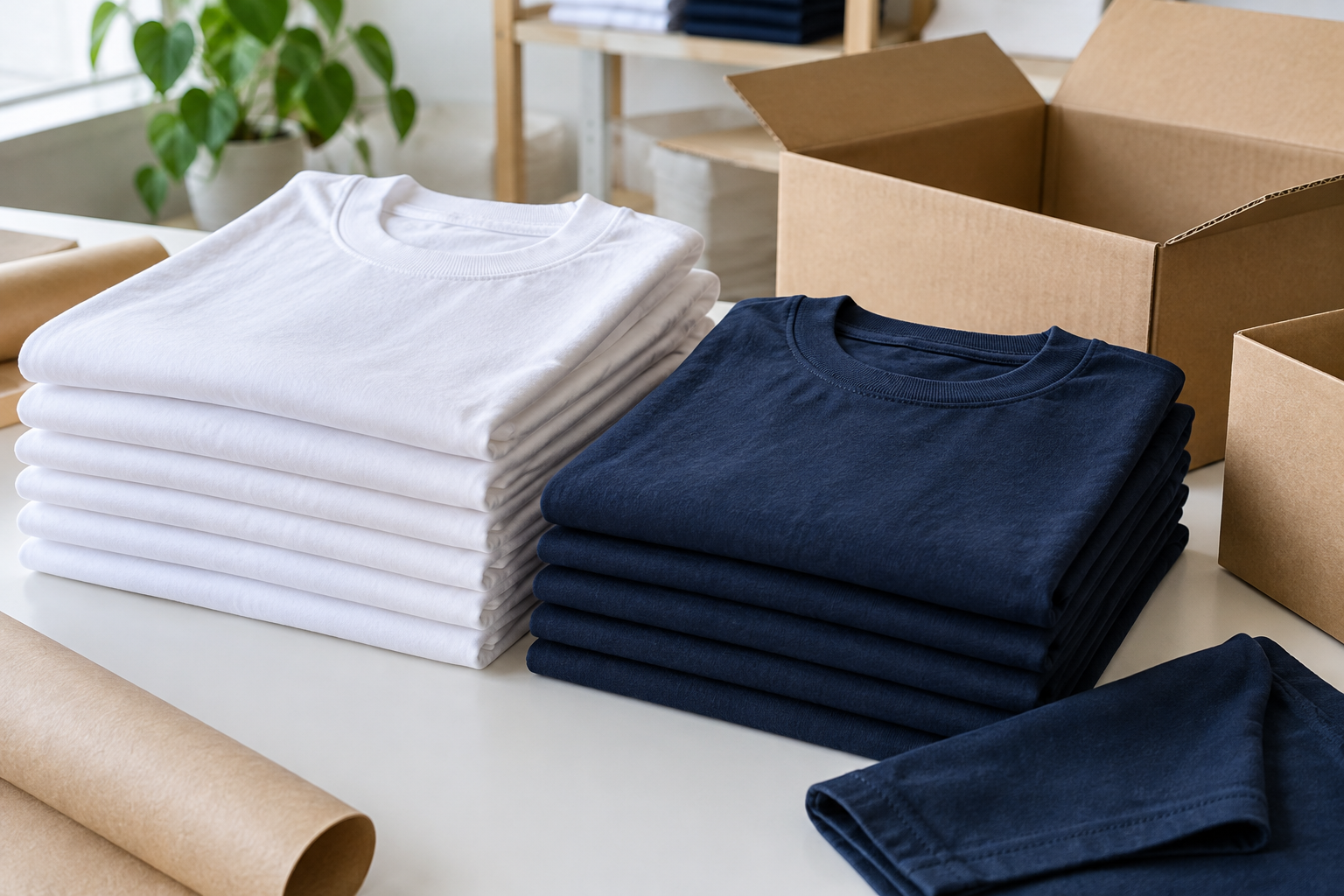
Agree on packing details: individual bags or bulk packing, size identification, carton contents, and any split deliveries. A team distributing shirts at several locations may need a different packing plan from a retailer receiving everything at one warehouse.
Your Bulk T-Shirt Inquiry Checklist
Send the selected model or garment brief, quantity by color and size, artwork with dimensions and placement, packaging requirements, delivery destination, and required arrival date. Mention any sample or inspection requirements at the same time.
Choose your ready-stock T-shirt and request a quotation. We can review the garment and branding requirements together and confirm current availability. If an existing model does not fit your brief, explore our custom cotton T-shirt options.
Use the form below to share your order details. Once the sample, specifications, price, and schedule are agreed, keep that approved brief for both the first order and future reorders.