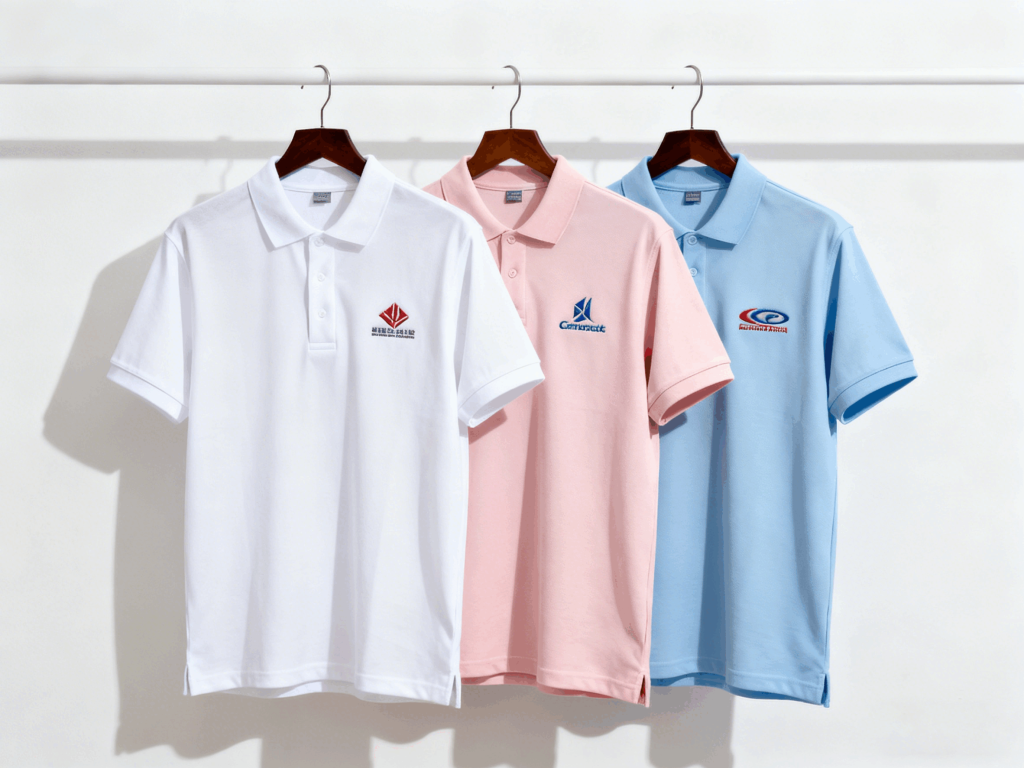
Screen-printed T-shirts can come from a local print shop, an online apparel printer, or a supplier that sells ready-to-apply transfers. The right source depends on whether you want finished shirts or the printed transfer itself, how many garments you need, and whether you have the equipment and experience to apply it. Clarify that distinction before comparing prices.
Quick answer
If you want finished shirts, ask a local or online printer for a quote on your garment, artwork, quantity, and delivery date. If you want transfers to apply yourself, confirm the transfer type, compatible fabric, application equipment, temperature, pressure, and care directions. Request a sample and compare total cost, shipping, and quality before ordering a full run.
Finished screen-printed shirts or transfers?
A finished-shirt order includes the garment and the printing service. A transfer order may include only a printed film or transfer sheet. You may need a heat press and a controlled process to apply it, and you remain responsible for garment sourcing and application quality. A transfer can suit someone who already makes shirts and has suitable equipment; it may not be the easiest option for a one-off consumer project.
Ask the seller what is included, whether the image is printed in reverse, what carrier is supplied, and whether the transfer is intended for home or commercial use. Get the application instructions before ordering and test one piece.
Option 1: Local screen-printing shop
A local printer may let you discuss garment choices, see sample prints, and pick up the order. It can be useful when you have a deadline or need help checking artwork. Ask about minimum quantities, sample costs, available shirt styles, setup fees, print locations, and turnaround. A small shop may have a limited blank inventory, so verify sizes and colors before committing.
Bring or email the artwork and a written brief. Confirm whether the quote includes screens, setup, folding, bagging, freight, and taxes. Ask how the provider handles misprints or count shortages and whether you can approve a sample before the full run.
Option 2: Online printer
An online service can offer broader garment choices and a convenient ordering process. Before checkout, verify the actual garment description, sizing chart, print area, color options, production window, shipping method, and return policy. A digital mockup cannot show print feel or exact color, so order a physical sample when the order is substantial or the design is important.
Check the support process and whether the service accepts a deadline request. Do not assume “ships in” means the same as “arrives by.” Allow time for production plus transit, and avoid planning around the fastest estimate if the event date is fixed.
Option 3: Transfer supplier
Transfer suppliers sell printed designs that another business applies to garments. Ask about transfer dimensions, material compatibility, storage conditions, press instructions, expected feel, and wash care. Confirm whether a heat press is required; household irons may not provide consistent pressure across the design. A transfer seller should explain how to test one application and what remedy is available if it fails.
Factor in the shirt, transfer, equipment, labor, rejected pieces, and shipping. A low transfer price alone does not show the complete cost per finished shirt.
Compare sources before ordering
| Source | What you receive | Best first check |
|---|---|---|
| Local printer | Usually finished shirts | Sample, minimum, pickup date, and setup |
| Online printer | Finished shirts shipped to you | Garment, delivery estimate, and proof |
| Transfer seller | Printed transfers only in many cases | Press compatibility and application directions |
Send a complete quote request
State shirt style, color, fabric, quantity by size, artwork, number of print colors, print locations and dimensions, packing needs, delivery destination, and deadline. Ask the supplier to break out the garment, print, setup, labels, packing, rush service, and shipping. This makes it possible to compare offers on the same scope.
Check the artwork before sending: verify spelling, transparency, line thickness, and intended print size. Use the site’s T-shirt artwork checklist and compare decoration options in the guide to screen printing vs. DTF.
Examples of matching source to need
A school club needs 40 finished shirts and wants to collect them before a field day. A local shop offers a sample and pickup; the club chooses it after confirming the size breakdown and deadline. A small print studio has a heat press and already stocks compatible blanks, so it orders transfers and tests one application before making the full batch. A first-time buyer with one shirt chooses a provider that explicitly accepts single pieces rather than buying equipment and supplies.
For shirts that are already available, see the current in-stock T-shirt selection. For custom garment and decoration planning, visit custom T-shirt options.
Frequently asked questions
Can I buy screen-print transfers and apply them with an iron?
Some transfers may permit it, but many require controlled temperature and pressure from a heat press. Follow the seller’s directions and test before using customer garments.
Are transfers cheaper than ordering printed shirts?
It depends on quantity, equipment, labor, garment cost, shipping, and waste. Compare the complete cost per finished shirt, not only the transfer price.
Should I order a sample?
Yes when color, print feel, wash performance, or deadline matters. A sample can confirm that the chosen source and process suit the project.
What details affect screen-print quotes?
Garment, quantity, colors, print size, number of locations, setup, finishing, and delivery all affect a quote. Provide the same details to each provider.