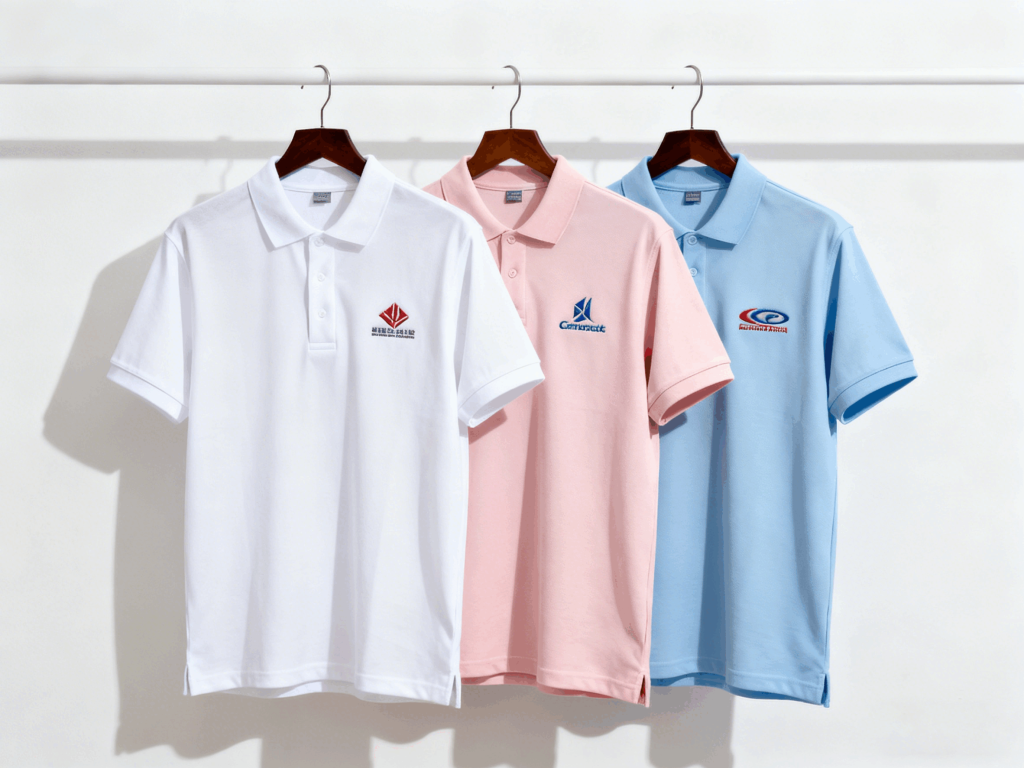
Do T-shirts shrink after washing? They can, especially when heat, fabric construction, and care instructions are ignored. A shirt that fits well on delivery may feel shorter or tighter after a hot wash and a high-heat dry. If you are buying for a clothing brand, team, or wholesale order, it helps to understand what affects shrinkage before you approve sizes or place a repeat order.
This guide covers why T-shirts shrink, how to care for different fabrics, and what buyers should ask a supplier. It pairs naturally with our guide to measuring a T-shirt for the right fit: first compare the garment dimensions, then consider how washing may affect them.
Why Do T-Shirts Shrink?
Shrinkage is a change in a garment’s dimensions after washing or drying. Cotton fibers absorb water, and heat and agitation can help yarns relax or draw closer together. The amount varies with the yarn, knit, finishing, garment construction, and laundering method. That is why there is no single shrinkage figure that applies to every cotton T-shirt.
Some fabric and garment treatments are designed to reduce later dimensional change. They can improve consistency, but they do not make every shirt immune to heat or incorrect care. For an order where fit matters, ask how shrinkage is tested and request measurements after the recommended wash cycle.
Which Fabrics Are More Likely to Change?
100% cotton: Cotton tees can shrink, particularly when washed or dried with excessive heat. Follow the care label and avoid assuming that two cotton shirts will behave the same. Yarn, knit density, finishing, and construction all make a difference.
Polyester: Polyester generally resists dimensional change better than untreated cotton in ordinary washing, but it is still sensitive to excessive heat. High temperatures can affect the fabric, seams, prints, or shape. See GOWDL’s polyester T-shirt options for performance-fabric choices.
Blends: Cotton-polyester blends combine fibers with different properties. The result depends on the blend ratio and how the fabric is made, so a label such as “cotton blend” is not enough to predict exact shrinkage. Check the product care instructions or test a sample.
How to Help Prevent T-Shirt Shrinkage
- Read the care label before the first wash; follow its temperature and drying guidance.
- Wash in cool or cold water when the label allows it, and use a gentle cycle for delicate prints or finishes.
- Turn graphic tees inside out to reduce rubbing on the printed surface.
- Air-dry when practical. If you use a dryer, choose the lowest suitable heat setting and remove the shirt promptly.
- Avoid ironing directly over printed or heat-applied decoration.
These steps reduce unnecessary heat and stress, but they cannot guarantee zero shrinkage. If a particular fit is important, compare the shirt’s measurements before and after a normal wash instead of relying on a general rule.
What Bulk Buyers Should Check Before Ordering
For a bulk order, request the fabric composition, care instructions, size chart, and any stated measurement tolerance. Ask whether the fabric is pre-shrunk or otherwise finished to control dimensional change, and whether the supplier can share test results for the same fabric and production lot. A sample made from a different material is not a reliable substitute.
Wash and dry a sample using the care method you expect customers to follow. Measure the chest, body length, and sleeve before and after, keeping the shirt flat and unstretched. Check whether the print, seams, and collar also remain presentable. For important programs, approve the sample and measurement standard in writing before bulk production.
GOWDL’s custom cotton T-shirt page describes its cotton fabric as pre-shrunk and gives a shrinkage figure for that offering. Confirm the exact fabric, test method, and applicable product with the supplier before using any figure as an order specification.
Can You Fix a T-Shirt That Has Already Shrunk?
Sometimes a small change can be eased by reshaping a damp garment and laying it flat to dry, but results are unpredictable. Do not pull hard on wet fabric or apply extra heat; that can distort the shirt or damage decoration. If the garment has become noticeably smaller, check the care label and contact the seller or manufacturer with the product and wash details.
Ready-Stock T-Shirts and Fit Expectations
If you need a faster option, browse the ready-stock T-shirts and review each style’s material, weight, size, and care information before ordering. For teamwear or resale, try a sample first and confirm available quantities across the size range. That small check helps you choose a style with fit and fabric characteristics that match the way it will be worn and washed.
Frequently Asked Questions
Do cotton T-shirts shrink more than polyester T-shirts?
Cotton can be more prone to shrinkage, while polyester usually resists it better in normal washing. But fabric treatment, construction, and heat matter, so check the care label and test the actual garment.
Does cold water stop a T-shirt from shrinking?
Cold water can reduce heat exposure, but it does not guarantee that a garment will never change size. Drying temperature and fabric finishing also matter.
Should I size up to allow for shrinkage?
Do not size up automatically. Compare a sample with the size chart and follow the garment’s care instructions. For wholesale or branded orders, agree on the expected finished measurements before production.
A T-shirt’s fit depends on both its starting measurements and how it is cared for. Check the fabric and care label, test a representative sample when the order matters, and choose your size from real measurements rather than guesswork.