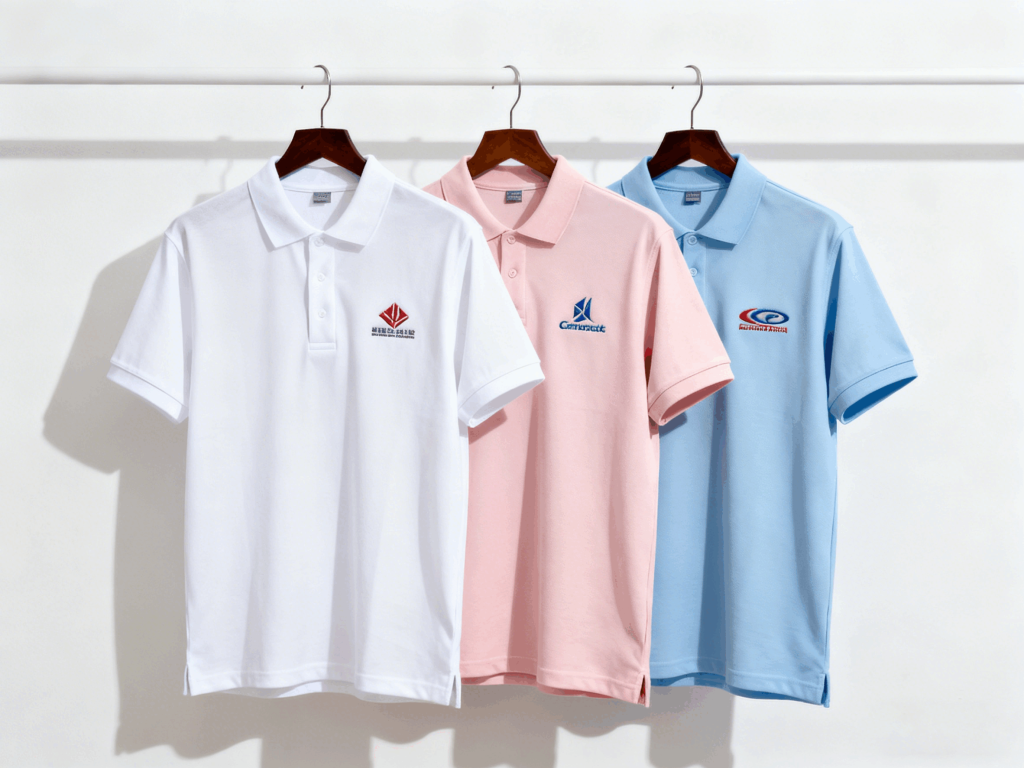
Choosing between screen printing and DTF for T-shirts comes down to the artwork, fabric, quantity, and finish you want. Both methods can produce strong results, but they solve different problems. If you are developing a brand collection, ordering team shirts, or testing a new graphic, compare those details before asking for a quote.
GOWDL offers a range of T-shirt decoration options, including screen printing and DTF. This guide focuses on when each method makes sense and what to confirm with your supplier before production. For fabric-specific context, see our existing guide to custom polyester T-shirts.
What Is Screen Printing?
Screen printing pushes ink through a prepared screen onto the garment. Each color generally needs its own setup, so the artwork is separated into layers before printing. This makes screen printing a practical option for clear graphics, solid shapes, and repeat designs, especially when a larger quantity can share the setup.
The final feel depends on the ink, artwork, fabric, and print location. A large, dense graphic may feel heavier than a small chest logo. If softness matters, ask about ink options and request a sample on the exact T-shirt fabric rather than judging from a digital mockup.
What Is DTF Printing?
DTF, or direct-to-film printing, transfers a printed design from a film onto the garment using heat and pressure. It can handle detailed, multicolor artwork without requiring a separate screen for every color. That can make it useful for names, small logos, gradients, and designs where each shirt has different details.
Because the design sits on a transfer layer, the hand feel and flexibility depend on the transfer, print size, and application. A very large transfer can feel more noticeable on the body. Ask to see the decoration on the shirt itself and test how it behaves after washing according to the care instructions.
Screen Printing vs. DTF: Key Differences
| Consideration | Screen printing | DTF |
|---|---|---|
| Artwork | Works well for bold shapes and separated colors | Useful for detailed, multicolor artwork |
| Quantity | Often more economical as repeat quantities grow | Can suit smaller runs or varied designs |
| Design changes | Color or artwork changes may require new setup | Artwork can be changed more easily between transfers |
| Print feel | Varies by ink, coverage, and fabric | A transfer layer is present; size and film affect feel |
| Fabric choice | Ink must be matched to the textile | Transfer and application settings must suit the textile |
These are starting points, not guarantees. Production cost and appearance depend on the specific artwork, number of colors, print dimensions, garment material, and order quantity. Ask for a quote based on your actual design rather than choosing from a general price comparison.
Which Method Should You Choose?
Choose screen printing when you have a repeat design, a straightforward color palette, and enough shirts to make setup worthwhile. It can be a good fit for event merchandise, team graphics, and simple brand marks. If the graphic uses many colors or fine detail, ask the printer to review the separations first.
Consider DTF when your graphic has several colors, fine details, names, or multiple variations, or when you are testing a smaller run. It can be a flexible option, but you should still check the transfer’s appearance, feel, and wash performance on the chosen fabric.
For polyester sportswear, do not assume that every print process will perform the same way as it does on cotton. Ask whether the ink or transfer is suitable for the fabric and whether heat could affect the garment color. GOWDL’s polyester T-shirt page describes its available decoration options; confirm the recommended method for your specific product.
What to Send Before Requesting a Quote
- Artwork file, approximate print dimensions, and intended placement.
- T-shirt fabric, color, and whether the order is blank stock or custom production.
- Total quantity and size breakdown, including any names or individual variations.
- Your preference for print feel, coverage, and how the shirt will be used.
- A request for a physical sample or print proof before approving the full run.
If you are still choosing the blank, compare the available ready-stock T-shirts and check the fabric, fit, and sizes listed for each style. For a custom cotton base, review the cotton T-shirt options. Matching decoration to both the design and the garment helps avoid surprises in the finished product.
Frequently Asked Questions
Is DTF better than screen printing for a small order?
It can be a useful option for a smaller run because detailed artwork can be transferred without preparing a screen for every design color. The better choice depends on the artwork, supplier setup, fabric, and quote.
Which print method is softer on a T-shirt?
There is no universal answer. Print coverage, ink or transfer type, and fabric all affect the feel. Compare samples made on the same T-shirt and with the same artwork size.
Can both screen printing and DTF be used on cotton and polyester?
Both methods may be available for different textiles, but the materials and application settings must be appropriate for the garment. Ask the supplier to confirm compatibility and approve a sample before a bulk order.
The best T-shirt printing method is the one that suits your artwork, garment, and order size together. Share those details with your supplier, compare a sample, and confirm the final print before production begins.