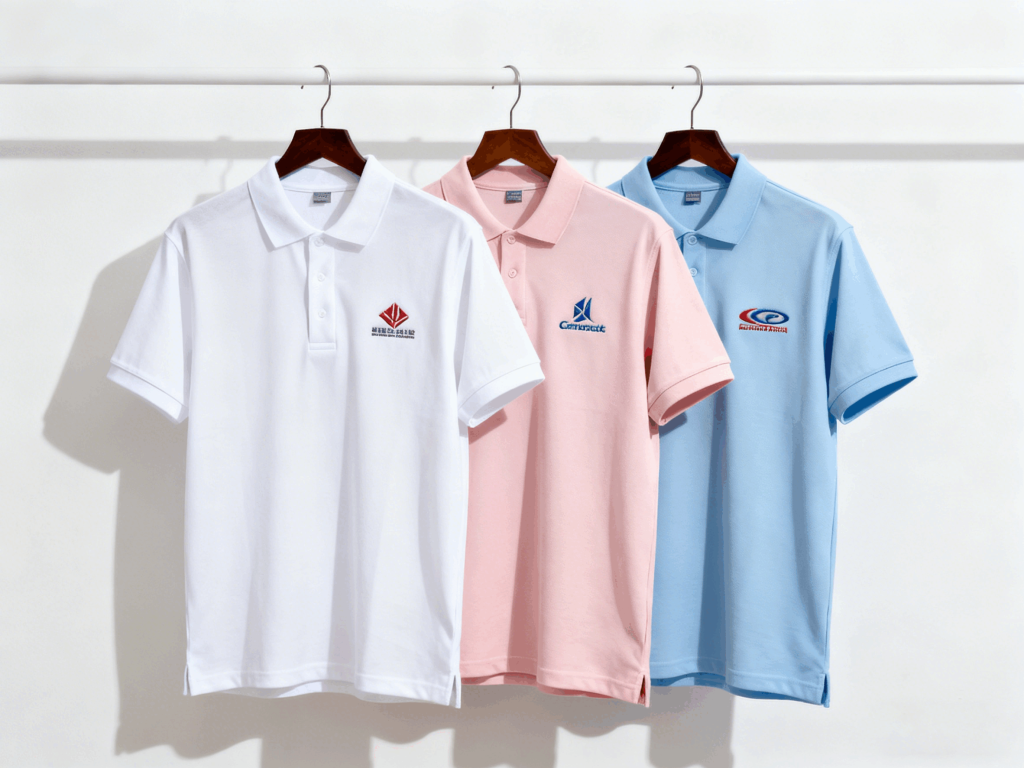
The best fabric for polo shirts depends on how the garment will be used. Cotton provides natural softness and comfort, polyester offers durability and moisture management, while cotton-polyester blends balance comfort, easy care, and cost. The fabric’s knit structure—such as pique, jersey, or bird eye mesh—also affects breathability, appearance, and logo customization.
For corporate uniforms, polyester pique and cotton-poly blends are practical choices. Performance polyester is often better for sports and outdoor use, while combed or organic cotton can be more suitable for premium apparel.
For bulk buyers, the right polo shirt fabric should therefore be selected according to the application, climate, comfort requirements, durability, logo method, GSM, and target budget.
What Fabrics Are Polo Shirts Made Of?
A polo shirt is not defined by one specific fabric.
The term “polo shirt” describes the garment style, typically featuring a collar and button placket. The fabric itself can be produced from different fibers and knitting structures.
Common polo shirt materials include:
- 100% cotton
- Combed cotton
- Organic cotton
- Polyester
- Recycled polyester
- Cotton-polyester blends
- Polyester-spandex blends
These fibers can then be knitted into structures such as:
- Pique
- Jersey
- Bird eye mesh
- Performance knits
This distinction is important.
For example, cotton describes the fiber, while pique describes a type of knit structure. You can therefore have cotton pique, polyester pique, or blended pique fabrics.
Understanding both fiber composition and fabric construction makes it much easier to select the right material for custom polo shirts.
Cotton Polo Shirt Fabric
Cotton remains one of the most popular materials for polo shirts because of its natural hand feel, breathability, and comfort.
It is particularly suitable for casual clothing, premium corporate apparel, fashion collections, and brands that prioritize a natural fabric feel.
However, there are several different cotton options.
Cotton Pique
Cotton pique combines natural cotton fibers with the textured knit traditionally associated with polo shirts.
Its structured surface provides the classic polo appearance and works particularly well with collars, plackets, and chest embroidery.
Cotton pique is commonly used for:
- Classic polo shirts
- Corporate apparel
- Golf-inspired styles
- Premium uniforms
- Fashion collections
Combed Cotton
Combed cotton undergoes an additional process that removes shorter fibers and impurities from the yarn.
The resulting fabric can provide a smoother and softer hand feel than basic cotton.
It is a good option for brands that want to create a more refined polo shirt while maintaining the natural characteristics of cotton.
Learn more about our Cotton Polo Shirts and available fabric options.
Organic Cotton
Organic cotton is commonly considered by brands developing products with specific material sourcing requirements.
It can be used for pique or other knitted polo fabrics while retaining the natural softness associated with cotton.
For buyers developing sustainability-focused collections, explore our Organic Cotton Polo Shirts.
Polyester Polo Shirt Fabric
Polyester is one of the most versatile fabrics for uniforms, sportswear, outdoor apparel, and performance polo shirts.
Compared with cotton, polyester absorbs less moisture and dries more quickly. It also generally provides strong shape retention and wrinkle resistance.
Different knit constructions can produce very different polyester polo shirts.
Polyester Pique
Polyester pique provides the textured appearance of a traditional polo while retaining many of the practical characteristics of polyester.
It is widely used for:
- Corporate uniforms
- Workwear
- Hospitality
- Events
- School and team apparel
Polyester Jersey
Polyester jersey has a smoother surface and softer drape than pique.
It can be useful for lightweight polos, sportswear, casual apparel, and designs requiring a smoother printing surface.
Bird Eye Mesh
Bird eye polyester has a small mesh-like structure designed to promote airflow.
It is frequently used for activewear, sports uniforms, outdoor workwear, and lightweight summer polo shirts.
Moisture-Wicking Polyester
Performance polyester can be engineered to move moisture across the fabric surface and support faster drying.
This makes it particularly suitable for golf, sports, outdoor teams, and employees working in hot environments.
For fabric options, GSM choices, applications, and bulk customization, explore our Wholesale Polyester Polo Shirts.
Cotton-Polyester Blend Polo Fabric
Polo shirt buyers do not have to choose between 100% cotton and 100% polyester.
Blended fabrics combine characteristics from both fibers and are widely used in commercial uniforms.
Common compositions include:
- 65% Cotton / 35% Polyester
- 60% Cotton / 40% Polyester
- 65% Polyester / 35% Cotton
- 60% Polyester / 40% Cotton
You may also encounter terms such as CVC and TC.
CVC, or Chief Value Cotton, generally refers to a blend where cotton represents the larger proportion of the fabric.
TC fabrics typically contain a higher proportion of polyester.
A cotton-rich blend can provide a softer, more natural feel while benefiting from polyester’s durability and easier maintenance.
A polyester-rich blend may prioritize durability, shape retention, faster drying, and cost efficiency.
This makes blended fabrics particularly useful for corporate uniforms, hospitality apparel, schools, promotional clothing, and everyday workwear.
Pique vs Jersey: Which Knit Is Better?
Pique and jersey refer to fabric structures rather than fiber types.
Pique has a textured surface and usually provides more structure. It creates the traditional polo shirt appearance and is an excellent choice for corporate uniforms, classic polo styles, and embroidered logos.
Jersey has a smoother surface, softer hand feel, and more relaxed drape. It is widely associated with T-shirts but can also be used for lightweight and fashion-oriented polo shirts.
Neither construction is universally better.
Choose pique when you want a more structured, professional appearance. Choose jersey when softness, flexibility, lightweight comfort, or a smooth printing surface is more important.
The fiber composition also matters. Cotton pique behaves differently from performance polyester pique, just as cotton jersey differs from polyester jersey.
Read the full guide: Pique vs Jersey Polo Shirt: What’s the Difference?
Best Polo Shirt Fabric by Application
For bulk sourcing, the intended use is often the best starting point for fabric selection.
| Application | Recommended Fabric |
|---|---|
| Corporate Uniform | Polyester Pique / Cotton-Poly Blend |
| Hotel & Hospitality | Cotton-Poly Blend |
| Sports | Moisture-Wicking Polyester |
| Golf | Polyester / Performance Blend |
| Premium Brand | Combed Cotton / Organic Cotton |
| Workwear | Polyester Pique / Blend |
| Summer | Lightweight Cotton / Bird Eye Polyester |
| Promotional | Polyester / Blend |
These recommendations are not absolute specifications.
For example, a premium hotel may prefer combed cotton, while a restaurant requiring frequent washing may benefit more from a durable blended fabric.
The application should be considered together with climate, washing frequency, branding, budget, and desired appearance.
Best Polo Shirt Fabric for Hot Weather
For hot weather, focus on breathability, fabric weight, moisture management, and drying speed.
Lightweight cotton can provide excellent natural comfort and breathability for casual use.
For active environments, lightweight bird eye polyester or moisture-wicking polyester may be more practical because these fabrics can dry faster after exposure to perspiration.
This distinction is especially important for outdoor staff, sports teams, delivery workers, golf apparel, and hospitality uniforms in warm climates.
Avoid selecting a fabric based only on fiber type. A lightweight, breathable 150 GSM performance polyester and a dense 220 GSM cotton pique will behave very differently in hot weather.
Best Polo Shirt Fabric for Embroidery
Pique is one of the most popular fabric structures for embroidered polo shirts.
Its relatively stable and textured construction can support a small chest logo effectively, which is why embroidery is widely used on corporate, golf, school, and premium pique polos.
Cotton pique, cotton-poly pique, and suitable polyester pique fabrics can all work with embroidery.
For lightweight jersey or performance fabrics, the embroidery design may need to be adjusted to reduce excessive stitch density and weight.
Large designs may also be better suited to printing rather than embroidery.
For a complete comparison, read Polo Shirt Embroidery vs Printing: Which Is Better for Custom Polo Shirts?.
How Fabric GSM Affects Polo Shirt Performance
GSM means grams per square meter and describes the weight of a fabric.
For polo shirts, common ranges include:
140–160 GSM: Lightweight fabrics suitable for summer wear, promotions, and some performance polos.
160–180 GSM: A versatile middle range commonly considered for uniforms and everyday polo shirts.
180–220 GSM: Provides a more substantial feel and can be suitable for structured cotton pique, premium polos, and workwear.
220+ GSM: Heavyweight fabrics used when a thicker and more substantial garment is required.
Higher GSM does not automatically mean higher quality.
Fiber composition, yarn quality, knitting structure, finishing, shrinkage control, and intended use all influence fabric performance.
For a deeper explanation of fabric weights, see our Fabric GSM Guide.
How to Choose the Right Fabric for Custom Polo Shirts
For custom and bulk orders, use the following process instead of choosing a fabric based only on price.
Application → Climate → Comfort → Durability → Logo → GSM → Budget
Application
Determine whether the polo will be used for corporate uniforms, sports, workwear, hospitality, promotions, or retail fashion.
Climate
Consider temperature, humidity, activity level, and whether fast drying is important.
Comfort
Decide whether natural softness, stretch, lightweight performance, or a structured feel is the priority.
Durability
Uniforms worn several times per week have different durability requirements from occasional promotional clothing.
Logo
Small embroidered chest logos work particularly well on structured fabrics, while large or detailed graphics may require a smoother surface and printing.
GSM
Select the fabric weight according to climate, appearance, durability, and product positioning rather than assuming heavier is always better.
Budget
Finally, balance material quality with the required quantity and customization.
A premium organic cotton polo and a polyester promotional polo serve different markets, so comparing them only by unit price does not provide a useful sourcing decision.
For bulk buyers, the best approach is to tell the manufacturer the application, quantity, target feel, logo requirements, climate, and budget. The fabric can then be selected around the actual requirements of the finished polo shirt.
Frequently Asked Questions
What is the best fabric for polo shirts?
There is no single best fabric. Cotton pique is excellent for classic and premium polos, polyester is suitable for performance and durable uniforms, and cotton-polyester blends provide a balance between comfort and easy maintenance.
Is cotton or polyester better for polo shirts?
Cotton is generally preferred for natural softness and comfort, while polyester provides faster drying, wrinkle resistance, and durability. The better option depends on the intended use.
What fabric is best for polo uniforms?
Polyester pique and cotton-polyester blends are practical choices for many uniform programs because they combine durability, structure, easy care, and logo customization options.
What polo fabric is best for hot weather?
Lightweight cotton can be comfortable for casual wear, while bird eye or moisture-wicking polyester is particularly useful for active environments where faster drying is important.
What fabric is best for embroidered polo shirts?
Structured pique fabrics are commonly used for embroidery. Cotton pique, polyester pique, and cotton-poly pique can all provide good results when the fabric weight and embroidery settings are appropriate.
What GSM is best for polo shirts?
Approximately 160–220 GSM is common for many polo shirts, but there is no universal best GSM. Lightweight polos may use 140–160 GSM fabrics, while premium or heavyweight styles may use 180–220+ GSM depending on the material and application.
Final Thoughts
The best fabric for polo shirts is the fabric that matches the actual requirements of the garment.
Choose cotton or combed cotton when natural softness and a premium feel are important. Choose polyester when durability, quick drying, and performance are priorities. Consider cotton-polyester blends when you need a practical balance between comfort, maintenance, durability, and cost.
Then consider the fabric construction—pique, jersey, or mesh—and select an appropriate GSM.
For B2B buyers, the most reliable approach is not simply asking, “Which polo fabric is best?” Instead, define the application, climate, comfort, durability, logo method, GSM, quantity, and budget first.
Those requirements will lead you to the right polo shirt fabric for your project.