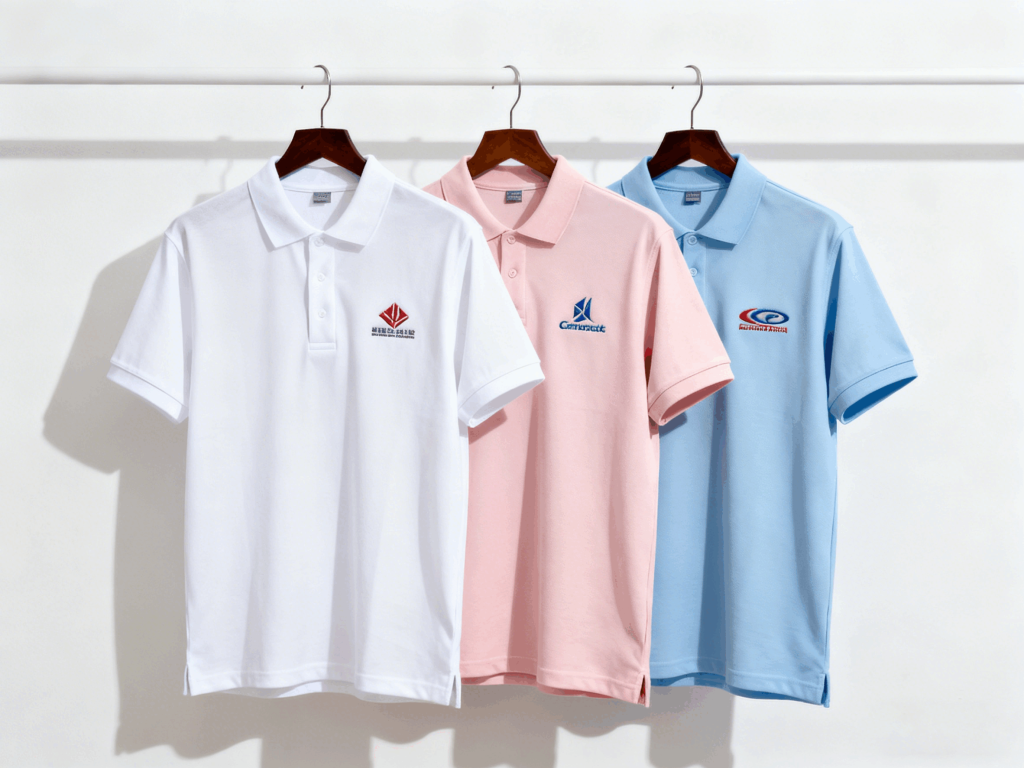
The main difference between a pique vs jersey polo shirt is the fabric structure. Pique fabric has a textured, slightly raised surface that gives polo shirts a more structured and traditional appearance, while jersey fabric has a smooth surface with a softer, lighter, and often more flexible feel.
Pique is commonly preferred for corporate uniforms, classic polo shirts, golf apparel, and applications where structure and durability are important. Jersey is often selected for casual polos, fashion collections, and lightweight garments where softness and a smooth surface are priorities.
Neither fabric is automatically better. The right choice depends on how the polo shirt will be used, the climate, fabric GSM, logo method, budget, and desired appearance.
What Is Pique Fabric?
Pique is a knitted fabric recognized by its textured surface. Depending on the knitting construction, the fabric can have small raised patterns that create the classic texture associated with traditional polo shirts.
Compared with a smooth jersey knit, pique generally has more structure and holds the shape of a polo shirt well.
Some of its key characteristics include:
- Textured surface
- Good breathability
- Structured appearance
- Good durability
- Traditional polo shirt look
- Suitable for embroidery
One reason pique is widely used for polo shirts is that its structure works particularly well with collars, plackets, and embroidered chest logos.
Pique can be made from different fiber compositions, including 100% cotton, cotton-polyester blends, and polyester.
For example, cotton pique provides a natural feel and classic appearance, while polyester pique can be used for uniforms and performance-oriented applications.
Fabric composition therefore matters just as much as the knit structure.
What Is Jersey Fabric?
Jersey is a knitted fabric with a smoother surface than pique.
It is widely used for T-shirts, but it can also be used to produce softer and more casual polo shirts.
Jersey fabrics are generally known for:
- Smooth surface
- Soft hand feel
- Lightweight comfort
- Good flexibility
- Natural stretch from the knit structure
- Good printing surface
A jersey polo tends to drape closer to the body and usually feels less structured than a traditional pique polo.
This makes jersey particularly useful for fashion-focused designs, casual polos, lightweight summer clothing, and styles where softness is more important than a rigid shape.
Jersey can also be produced from cotton, polyester, blended fibers, or fabrics containing elastane.
Pique vs Jersey Polo Shirts: Key Differences
Although both fabrics are knitted, their different structures create noticeably different polo shirts.
| Feature | Pique Polo | Jersey Polo |
|---|---|---|
| Surface | Textured | Smooth |
| Feel | Structured | Soft |
| Breathability | Very good | Good |
| Stretch | Moderate | Usually better |
| Appearance | Classic / Professional | Casual / Modern |
| Logo Embroidery | Excellent | Good |
| Printing | Good | Excellent |
| Uniform Use | Excellent | Good |
| Fashion Use | Good | Excellent |
The biggest visible difference is the surface.
Pique immediately creates the recognizable appearance of a traditional polo shirt. Jersey looks smoother and can resemble the fabric used in premium T-shirts.
The difference in structure also influences how the garment hangs on the body. Pique tends to maintain its shape, while jersey usually creates a softer drape.
Which Fabric Is Better for Custom Polo Shirts?
The best fabric for a custom polo shirt depends on the product you want to create.
Choose pique when your priorities include:
- Classic polo styling
- Professional appearance
- Corporate uniforms
- Chest embroidery
- More garment structure
- Frequent everyday use
Choose jersey when your priorities include:
- Softness
- Lightweight comfort
- Smooth surface
- Casual styling
- Fashion collections
- Large or detailed prints
For example, a hotel ordering staff uniforms may prefer a cotton-polyester pique polo because it provides a professional appearance and good structure.
A fashion brand developing a lightweight summer collection may prefer cotton jersey because it creates a softer and more relaxed silhouette.
Need Polo Shirts Without Full OEM Development?
Choose from ready-stock polo shirts and customize them with your logo using embroidery, heat transfer or printing. Starting from low MOQs for business and bulk orders.
View Ready Stock Polo Shirts →Pique vs Jersey for Embroidery and Printing
Fabric structure can affect how different logo techniques perform.
Embroidery on Pique
Pique is particularly well suited to embroidery.
Its relatively structured surface can support stitched logos effectively, which is one reason embroidered chest logos are so common on traditional polo shirts.
This combination works well for corporate uniforms, golf shirts, school uniforms, hospitality apparel, and premium branded polos.
Embroidery on Jersey
Jersey can also be embroidered, but fabric weight and stability need to be considered.
Lightweight jersey can stretch or distort more easily than heavier pique. Proper embroidery settings and stabilizers can help achieve a cleaner result.
For very lightweight jersey polos, keeping the embroidery relatively small and light can help maintain the natural drape of the garment.
Printing on Pique
Printing is possible on pique, but the textured surface can affect very fine artwork.
The appropriate printing method should be selected according to the design, fabric composition, and desired finish.
Printing on Jersey
Jersey’s smooth surface makes it particularly suitable for printing.
Large graphics, detailed artwork, and multicolor designs can work well on jersey depending on the printing technique.
For a more detailed comparison of decoration techniques, read our Polo Shirt Embroidery vs Printing: Which Is Better for Custom Polo Shirts? guide.
Which Is Better for Corporate Uniforms?
For many corporate uniform programs, pique is the more traditional choice.
Its textured structure provides a professional appearance and works well with collars, plackets, and embroidered company logos.
Pique polos are commonly used for:
- Corporate teams
- Hotels
- Restaurants
- Retail employees
- School uniforms
- Sales teams
- Service companies
However, jersey can still be appropriate for companies that want a softer and more contemporary uniform.
The final decision should consider the working environment, climate, washing frequency, branding, and desired fit.
Which Is Better for Sports and Outdoor Use?
For sports and outdoor applications, fiber composition and fabric performance become particularly important.
A polyester pique fabric can provide structure while offering performance characteristics suitable for uniforms and active use.
Lightweight polyester jersey can provide a softer, more flexible feel and may work well for sports activities requiring greater freedom of movement.
For hot environments, consider breathability, moisture management, drying speed, and GSM rather than choosing based only on whether the fabric is pique or jersey.
A well-developed lightweight performance fabric may be more appropriate than a heavier cotton fabric for outdoor teams.
Which Is Better for Fashion Brands?
Fashion brands have more flexibility because the fabric can be selected according to the desired silhouette.
Pique works well for:
- Classic collections
- Preppy styles
- Premium polo shirts
- Structured silhouettes
- Heritage-inspired designs
Jersey works well for:
- Minimalist polos
- Casual collections
- Lightweight summer styles
- Relaxed silhouettes
- Soft-touch garments
Brands can also adjust GSM, fiber composition, fit, collar construction, and finishing to create a distinctive product.
This is why choosing between pique and jersey should be part of the overall product-development process rather than an isolated decision.
How to Choose the Right Polo Fabric for Bulk Orders
When sourcing custom polo shirts in bulk, consider six factors before selecting the fabric.
1. End Use
Start with where and how the polo shirt will be worn.
Corporate uniforms, fashion retail, sportswear, promotional clothing, and hospitality uniforms all have different requirements.
2. Climate
For hot environments, lightweight and breathable fabrics are usually preferable.
For cooler conditions or premium products, a heavier GSM may provide the desired structure and hand feel.
3. GSM
Fabric weight influences comfort, appearance, material consumption, and garment structure.
Don’t assume that heavier automatically means better. Choose a GSM appropriate for the intended product.
4. Logo Method
If embroidery is an important part of the design, a more structured fabric such as pique can be an excellent choice.
If the product requires large printed graphics, the smoother surface of jersey may provide greater flexibility.
5. Budget
Fabric composition, GSM, finishing, and customization all affect production cost.
A standard blended pique and a premium combed cotton jersey should not be compared based only on the fabric structure.
6. Order Quantity
For smaller orders, selecting an existing fabric or ready-stock polo can reduce development requirements.
For larger OEM orders, buyers have more flexibility to customize fabric composition, GSM, colors, measurements, labels, and other details.
The most effective approach is to provide your manufacturer with the intended application, quantity, target fabric feel, logo requirements, and budget range before selecting the final material.
Pique vs Jersey Polo Shirt FAQs
Is pique better than jersey?
Not necessarily. Pique is better for applications requiring a traditional, structured polo appearance, while jersey is better when softness, flexibility, and a smooth surface are priorities.
Is pique fabric good for polo shirts?
Yes. Pique is one of the most widely used fabrics for traditional polo shirts because its textured knit provides good structure, breathability, and a classic appearance.
Is jersey fabric suitable for polo shirts?
Yes. Jersey can produce soft, lightweight, and modern polo shirts. It is particularly suitable for casual and fashion-oriented styles.
Which is more breathable, pique or jersey?
Pique is often considered highly breathable because of its textured knit structure, but actual breathability depends on fiber composition, GSM, knitting density, and finishing.
Is pique better for embroidery?
Pique is generally an excellent choice for embroidery because its structured surface can support stitched logos well. Jersey can also be embroidered, although lightweight fabrics may require additional stabilization.
What fabric is best for corporate polo shirts?
Pique is a popular choice for corporate polo shirts because of its professional appearance and suitability for chest embroidery. Cotton, cotton-polyester, and polyester pique can all be considered depending on the working environment and performance requirements.
Final Thoughts
When comparing a pique vs jersey polo shirt, the most important difference is the fabric structure.
Pique provides a textured surface, more structure, and the classic appearance traditionally associated with polo shirts. It is particularly suitable for corporate uniforms, embroidered logos, golf apparel, and professional applications.
Jersey provides a smoother surface, softer feel, and more relaxed drape. It is a strong choice for fashion collections, lightweight casual polos, and designs requiring detailed printing.
Instead of asking which fabric is universally better, consider what your polo shirt needs to achieve.
End use, climate, GSM, logo method, budget, and order quantity should determine whether pique or jersey is the better fabric for your custom polo shirt project.