
Opacity is difficult to judge from a catalog image. For T-shirt buyers, the practical approach is to review actual colors under the lighting and layering conditions customers are likely to use. Treat coverage as a sample decision rather than a promise based solely on GSM.
Use the actual color
Compare the chosen shade on the wearer and over the intended underlayer. Review daylight and typical indoor light where practical. Record the conditions so another reviewer can repeat the comparison. Do not assume a darker or heavier listing automatically gives the coverage needed for every use; construction and the individual garment still matter.
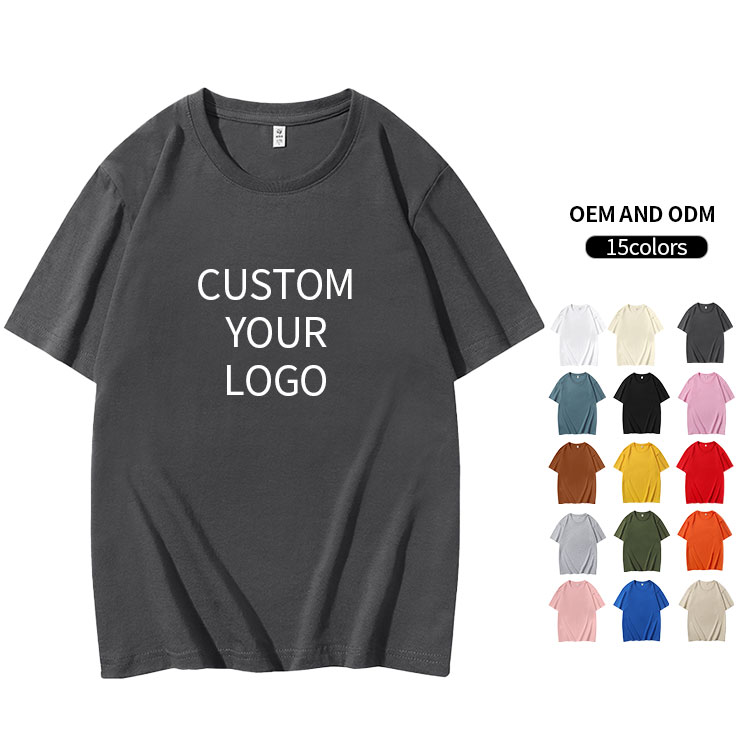
Assess the decorated shirt
Add the proposed design before final approval. Large light or dark areas can change visual balance and how the fabric appears around the graphic. Check the shirt from a normal viewing distance, not just close-up. Keep comments about appearance separate from technical claims that would need formal measurement or testing.
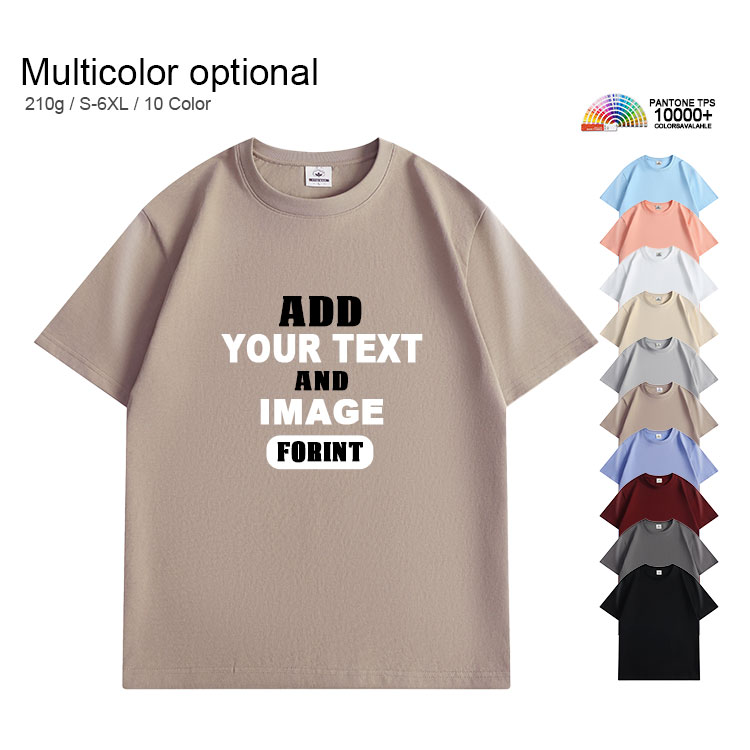
Describe the product accurately
Use the actual composition and listed weight as specifications, then keep customer-facing descriptions within what has been verified. Avoid calling a garment completely opaque based on one photograph. If coverage is an essential requirement, document the acceptance conditions and review representative production units using the same process.
Buyer approval checklist
- Selected color reviewed in relevant lighting
- Intended underlayer used
- Coverage description supported by sample review
Compare ready-stock options
Browse the ready-stock t-shirts collection. The images above link to YB 03 and YB 169 as specific starting points for comparison, rather than independently tested recommendations.
Discuss sample arrangements through the sample policy and send your model, size mix and artwork requirements through GOWDL contact support. Confirm current availability, decoration suitability and an order-specific quotation before placing an order.
