
A pilot order should answer a defined question before you scale up. For team jackets, useful questions include fit coverage, pocket access and decoration consistency. A trial without structured feedback can create confidence without producing a reliable purchase specification.
Choose representative wearers
Include the roles, body shapes and underlayers that matter to the project. Do not select only the easiest size to fit. Explain what participants should observe and how they should report it. If the jacket is intended for a demanding environment, agree appropriate assessment with qualified personnel rather than treating informal wearer comments as performance certification.
Use a short feedback form
Ask participants to describe restriction, sleeve position, hood interaction and access to everyday items. Separate comfort observations from visual preferences. Record the sample size and how it was worn. Feedback such as too tight becomes more useful when it identifies the shoulder, chest or intended underlayer that caused the problem.
Close the loop before scaling
Convert accepted feedback into the final size chart, model choice and decoration approval. Document rejected suggestions and why they do not fit the project. Confirm current stock after the trial because availability may have changed. Bulk approval should reference a final sample and specification rather than a collection of unfinished comments.
Buyer approval checklist
- Representative users included
- Feedback linked to sample sizes and use
- Final decisions captured before bulk approval
Compare ready-stock options
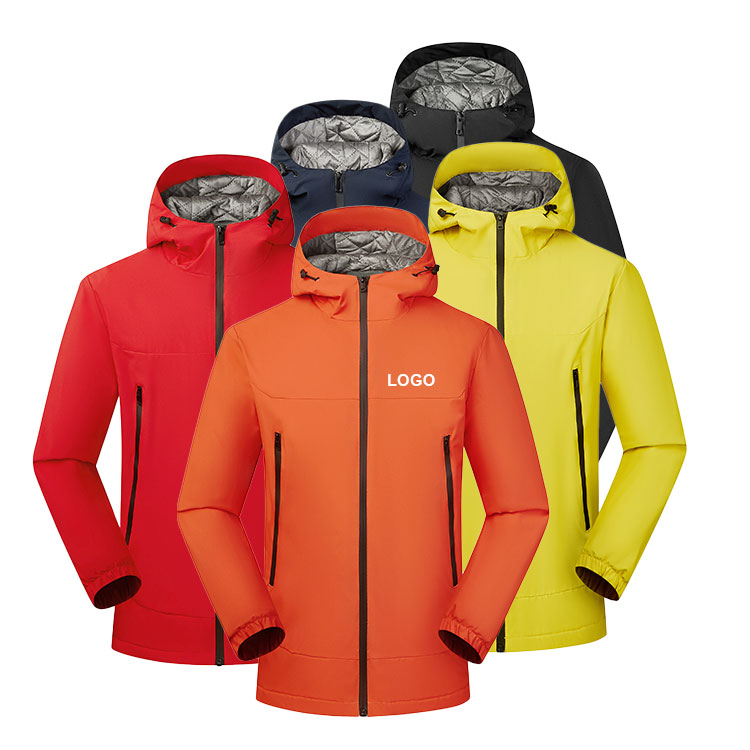
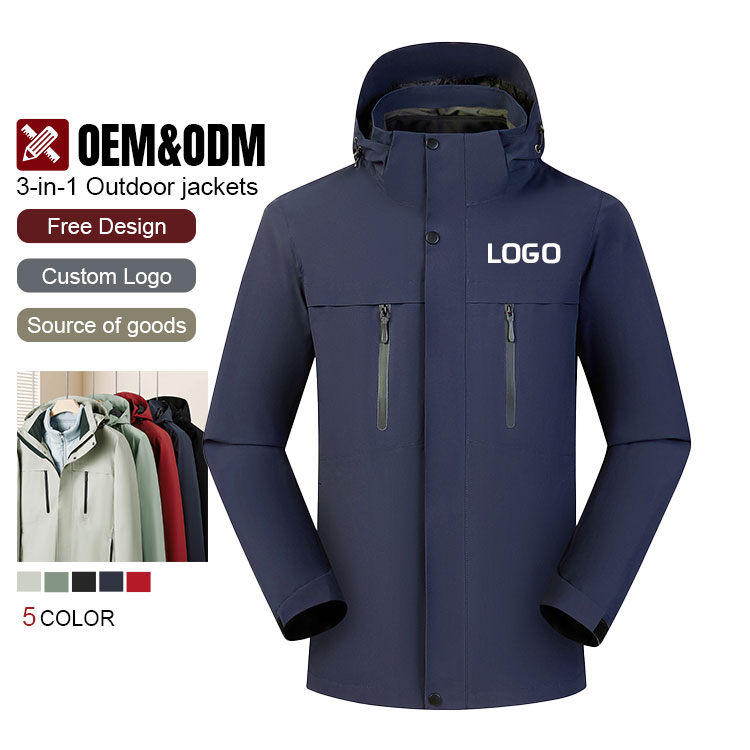
Browse the ready-stock outdoor jackets collection. The images above link to SLL-765 and SLL-768 as specific starting points for comparison, rather than independently tested recommendations.
Discuss sample arrangements through the sample policy and send your model, size mix and artwork requirements through GOWDL contact support. Confirm current availability, decoration suitability and an order-specific quotation before placing an order.
