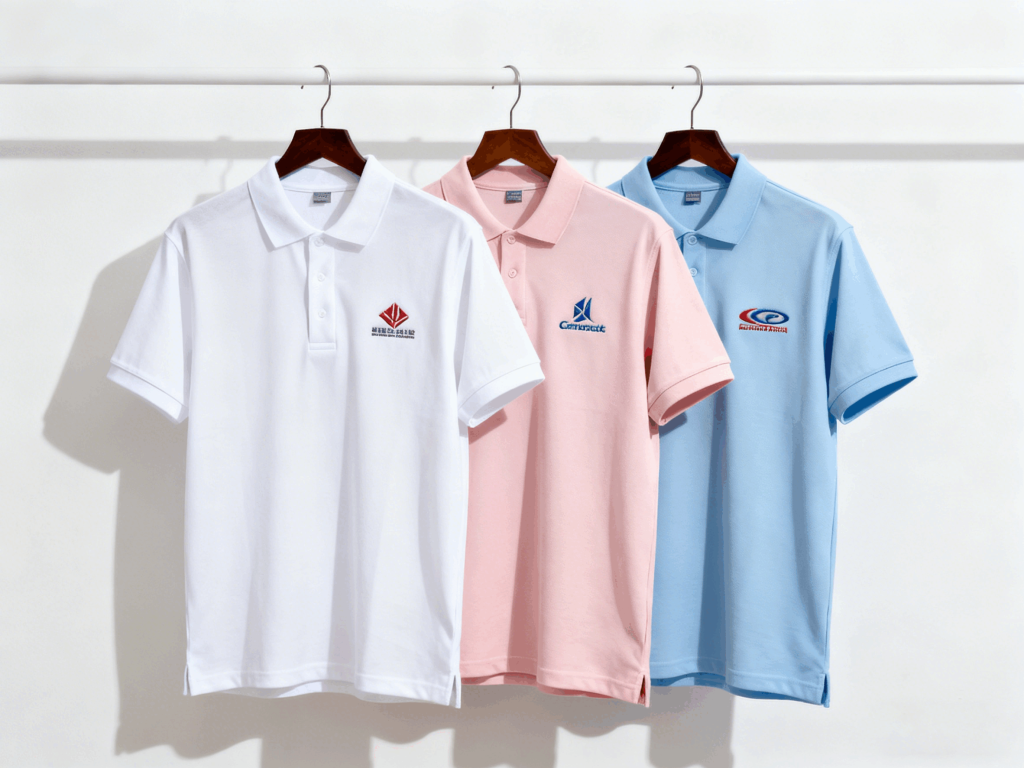
Choosing between 180 and 240 GSM T-shirts starts with the wearer, not the bigger number. If you want less fabric bulk for everyday layering or a warm-weather event, a 180 GSM option is worth sampling. If you want a more substantial feel for a casual collection, a 240 GSM option may belong on your shortlist.
Those are starting points, not guarantees. Two T-shirts with different knits, fibers, or finishes can behave differently even at the same weight. Here is how to use GSM sensibly when buying T-shirts for a brand, team, or promotional order.
What Does GSM Mean for a T-Shirt?
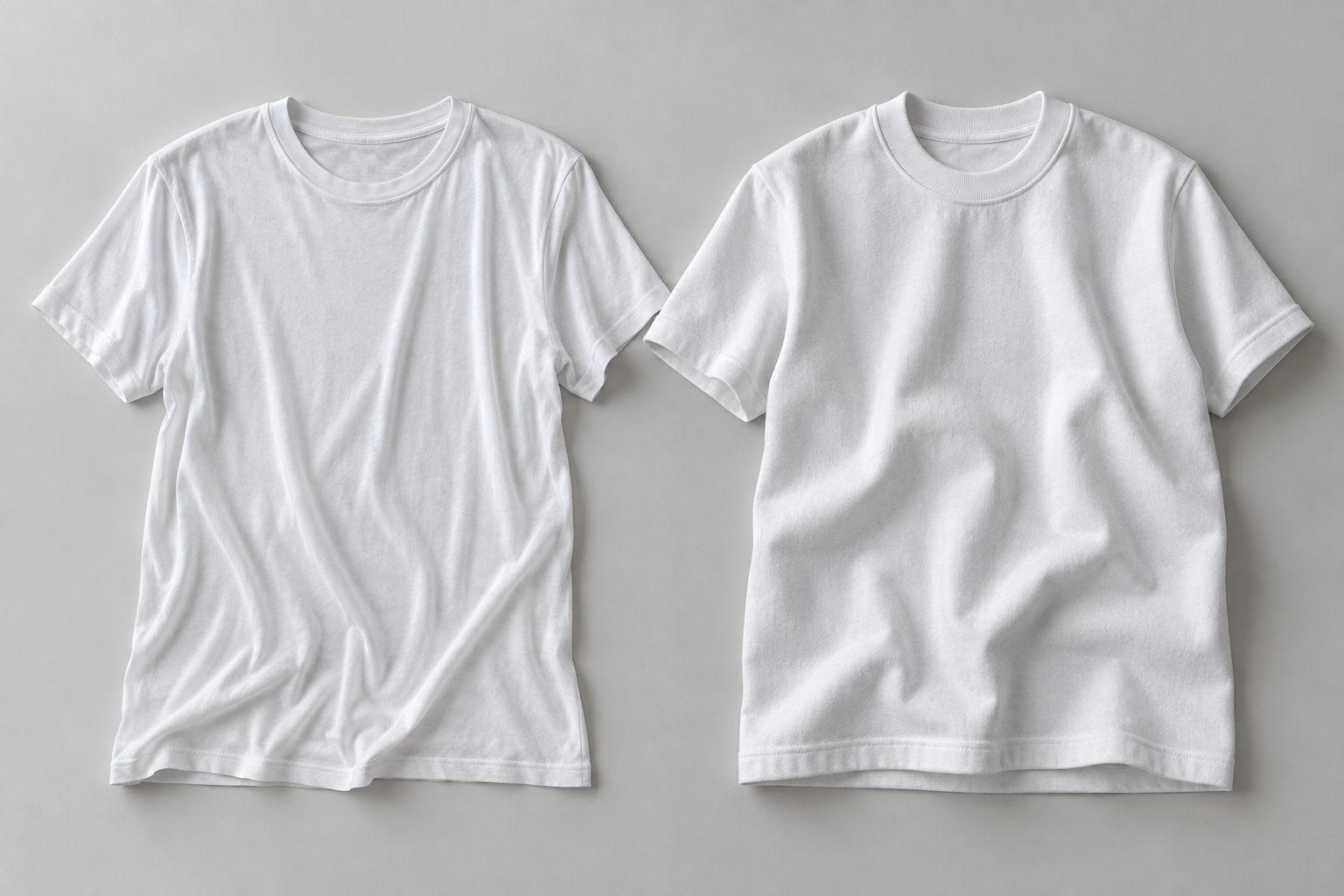
GSM stands for grams per square meter. It measures the mass of a given area of fabric. One square meter of 180 GSM fabric weighs 180 grams; the same area of 240 GSM fabric weighs 240 grams.
That is roughly 33% more fabric mass per unit area, but it does not mean the finished shirt is exactly 33% heavier. Size, pattern, trims, and construction also contribute to garment weight. Nor does the calculation tell you that the heavier shirt is 33% warmer, stronger, or better.
For a useful comparison, keep the fiber blend, knit, color, and fit as similar as possible. Otherwise, you may be judging several differences at once and attributing all of them to GSM.
When to Shortlist a 180 GSM T-Shirt
A 180 GSM shirt is a sensible starting point when you want less bulk. Consider it for layering, casual daily wear, or an event where people will be moving around. Try the sample in the conditions where it will actually be worn rather than deciding from a fabric swatch alone.
Check coverage in the intended color, especially white or other pale shades. Inspect the neckline and seams, and see how the body falls when worn. A lighter garment can still be well made; fabric weight does not establish seam quality or collar recovery.
For team orders, gather feedback from several wearers. One person may prefer a soft, fluid shirt while another wants more structure. A short try-on session can reveal that difference before you commit to the full size breakdown.
When to Shortlist a 240 GSM T-Shirt
A 240 GSM option is worth examining when a substantial hand feel is part of the brief. It may suit a casual retail collection or a relaxed silhouette where you want the fabric to have more presence. Confirm the actual drape, because yarn and finishing can make a heavier fabric feel softer or firmer.
Do not use weight as a substitute for checking the cut. A heavy shirt is not automatically oversized, and a lighter shirt can still have a boxy pattern. Compare body width, length, shoulders, and sleeve proportions using the model’s size chart.
Also think about the wearer’s climate and activity. More fabric mass is not automatically desirable for every setting. Comfort depends on construction, fit, ventilation, and moisture behavior as well as weight.
What GSM Cannot Tell You
GSM alone does not establish breathability, softness, opacity, shrinkage, or durability. Ask about the fiber composition and construction, then evaluate the sample. If a particular performance claim matters to your project, request relevant evidence and agree on an acceptance standard.
Be cautious with labels such as “premium heavyweight.” They are descriptions, not a complete specification. A purchasing brief should state the target weight, material, fit, color, and required finish. Ask the supplier how weight is checked and what tolerance applies.
Does a Heavier T-Shirt Print Better?
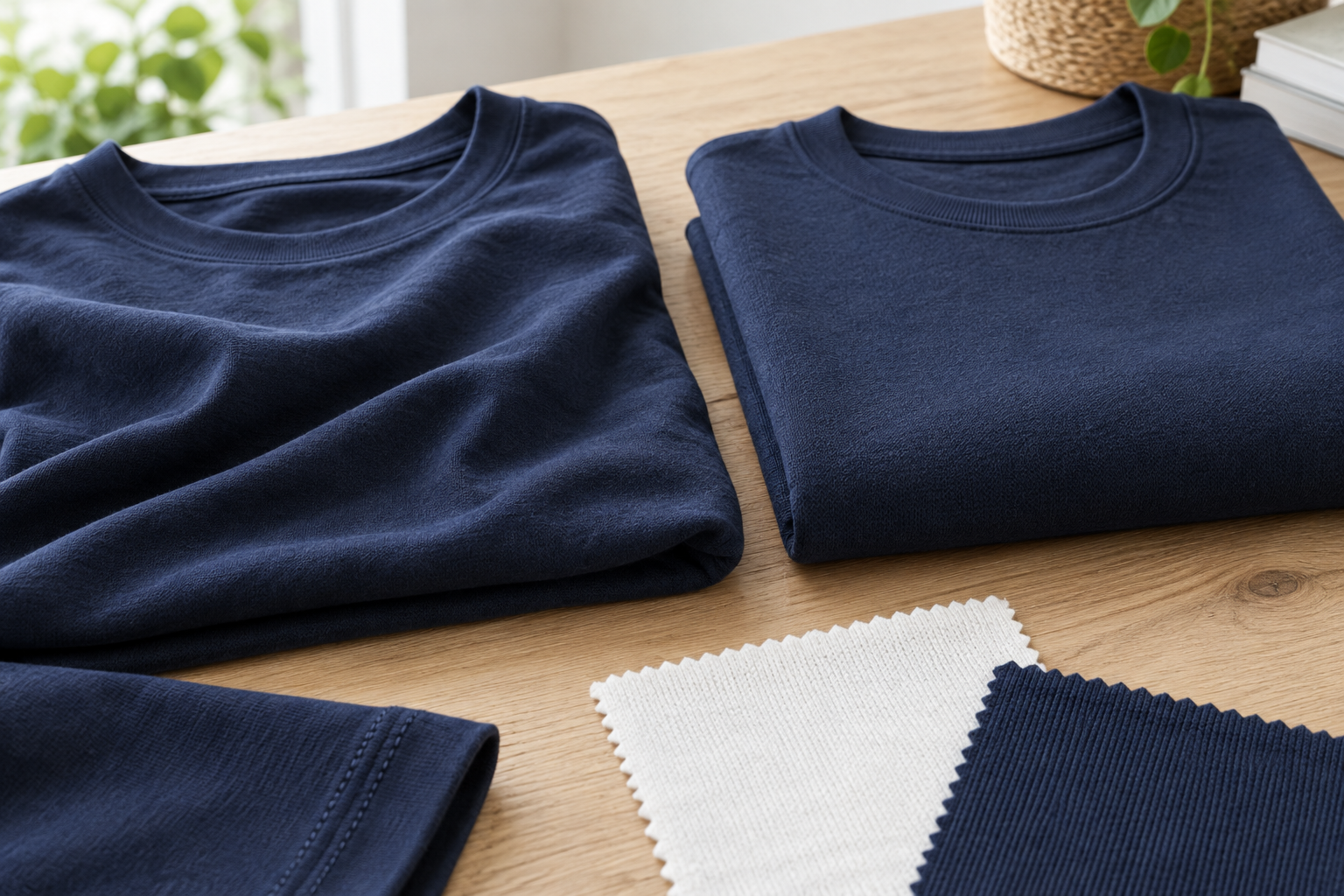
Not automatically. The printing surface, fiber blend, finish, artwork, and decoration process all matter. Give the decorator the exact model and design before ordering blanks, and ask to see a decorated sample in the intended garment color.
Inspect small lettering and edges, then feel the printed area while wearing the shirt. A large solid graphic can change the feel of either a lighter or heavier garment. Approve both the visual result and comfort instead of treating GSM as proof of print compatibility.
Compare Samples and the Full Order Cost
Put your shortlisted shirts through the same checks. Record key measurements, follow the proposed care instructions, and compare them after washing and drying. Look at body shape, seams, the neckline, and any decoration. Use the same measurement method each time.
Request quotations for the same quantity and decoration specification. Compare garment cost, setup, printing, packing, and shipping separately. Heavier garments may affect packed weight, but obtain actual shipment details instead of estimating freight from GSM alone.
Find the Right Weight in Ready Stock
Browse GOWDL’s ready-stock T-shirts and compare the listed specifications. Available models may use weights other than exactly 180 or 240 GSM, so choose by the complete brief rather than forcing a match to a round number.
Send us your preferred model, colors, quantities by size, logo artwork, destination, and required arrival date. Ask for current availability and sample arrangements before placing your order. If you need a specific fabric weight or fit that existing stock does not offer, review our custom cotton T-shirt options.
Use the form below to request a quotation or compare samples. The right T-shirt weight is the one that works for your wearer, design, and budget together.