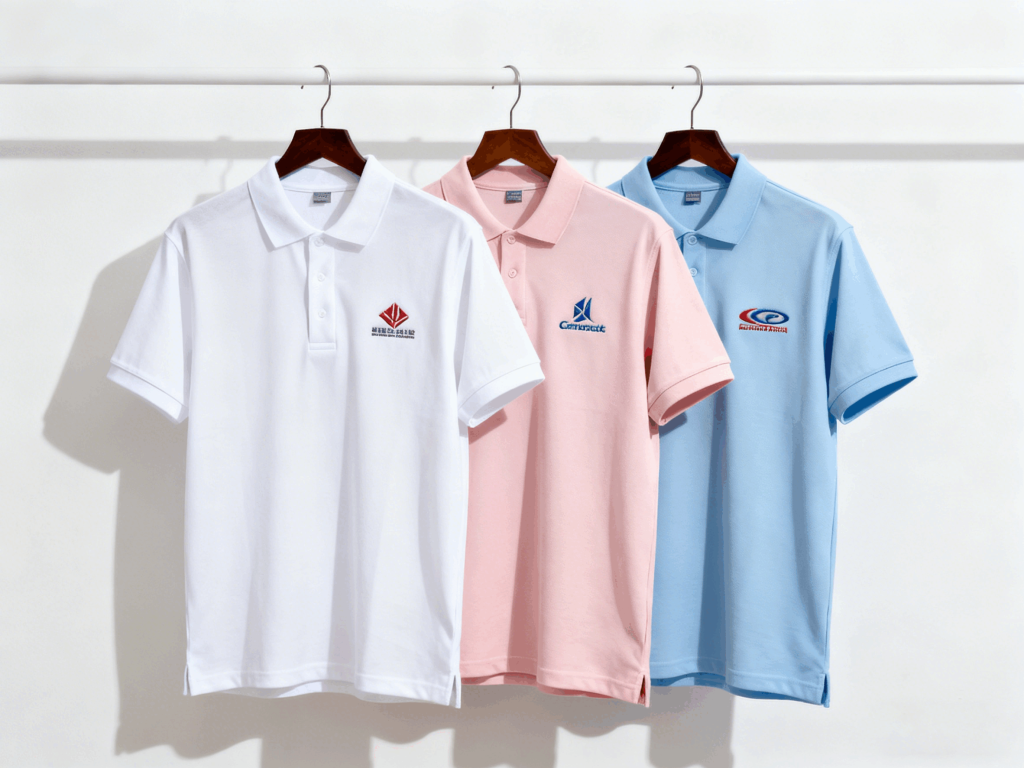
The best blank T-shirts for printing are the ones that suit both your artwork and the people wearing them. A shirt can look good in a supplier photo yet feel too heavy for an outdoor event, fit differently from your usual brand, or produce disappointing results with your chosen print process.
Before buying in bulk, narrow the decision to fabric, weight, fit, decoration, and repeat availability. Then order a sample of the actual garment. This guide explains what to compare and what to send a supplier when you are ready for a quotation.
Start with the Purpose of the T-Shirt
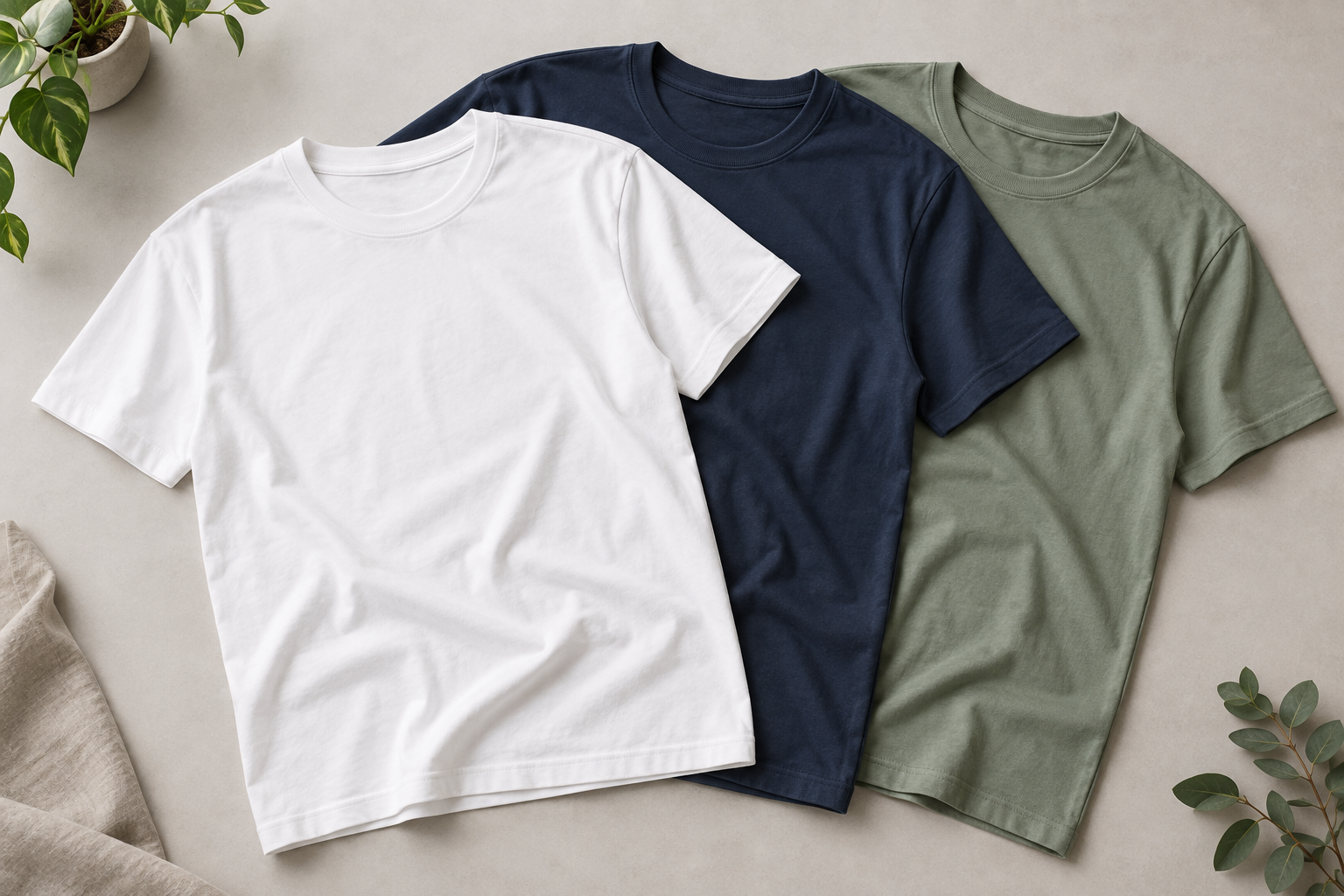
A retail collection, staff uniform, and promotional giveaway need different buying briefs. For retail, think about the intended silhouette, hand feel, and how the shirt presents your design. For staff clothing, ask about movement, climate, and washing routines. For an event, confirm the size breakdown and required arrival date early.
Write a short brief before browsing: who will wear the shirt, where it will be worn, the preferred fit, intended print locations, and total quantity. That makes it easier to compare suitable garments without choosing on price alone.
Compare Fabric and Surface, Not Just the Label
Check the exact fiber composition for each shortlisted model and color. Cotton, polyester, and blends can all appear in blank T-shirt collections, but a fiber name does not fully describe the printing surface. Knit construction, surface texture, finishes, and stretch also matter.
Handle the sample and inspect the area where the design will sit. A small chest mark and a large front graphic place different demands on the garment. Ask the decorator to review the actual fabric and artwork together, especially when the design includes fine lines or small text.
If you are considering cotton blanks, explore GOWDL’s custom cotton T-shirt options as a starting point. Confirm the selected model’s specifications instead of assuming every cotton shirt in the range is identical.
Choose a Fabric Weight That Matches the Job
GSM means grams per square meter: it describes fabric weight, not the total weight of a finished T-shirt. A higher number does not automatically mean a better shirt. Construction, yarn, finishing, and fit all contribute to the result.
Compare a lighter option when you want less bulk, and a heavier option when a more substantial feel is part of the brief. Test comfort, drape, and opacity in the intended color. Do not judge a white shirt using only a navy sample or treat fabric weight as proof of durability.
GOWDL’s ready-stock T-shirt collection includes different listed weights. Shortlist two models and compare their samples before deciding which one fits your project.
Check Fit with Measurements
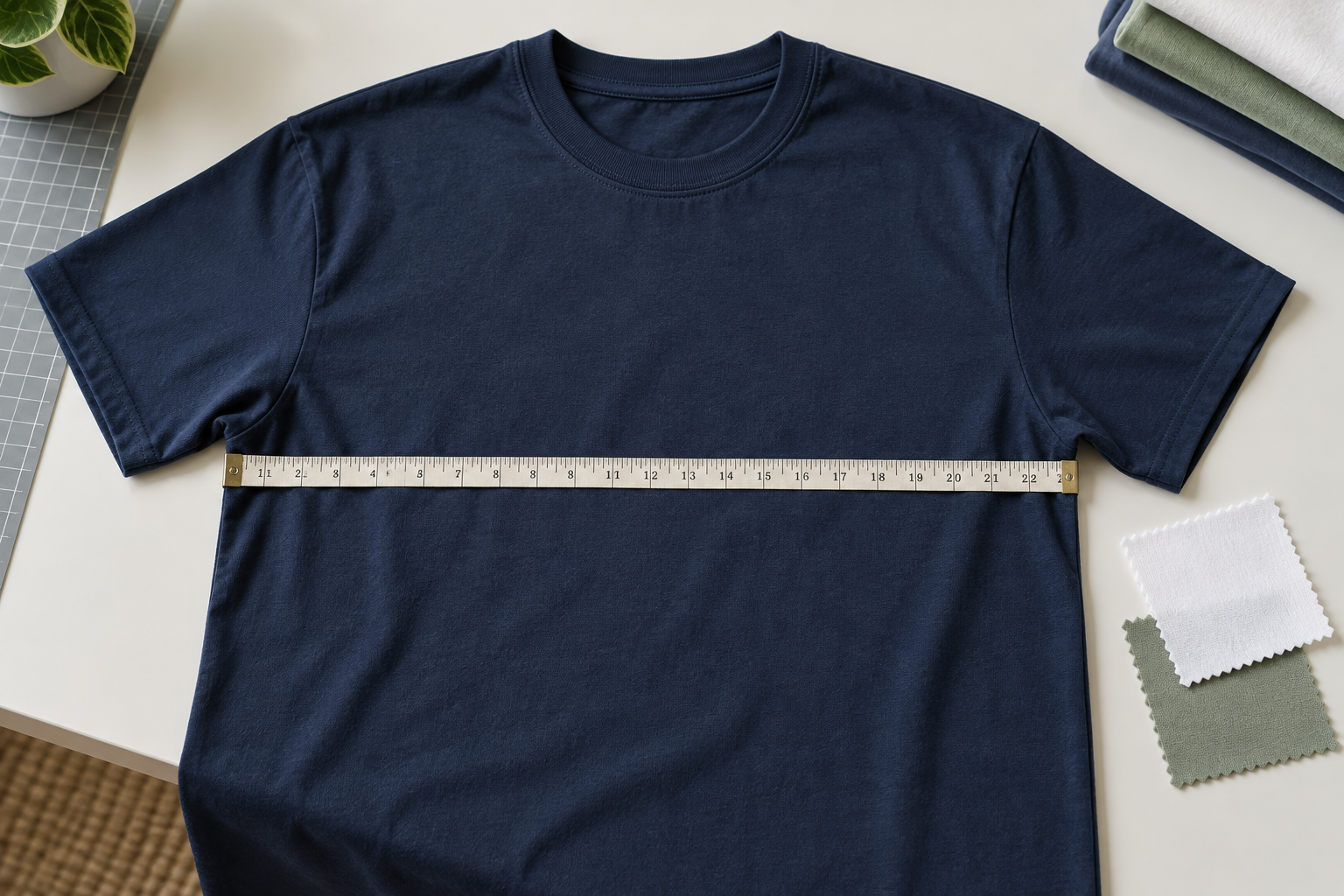
Size labels are a starting point. Request the model’s measurement chart and ask whether the figures describe the garment or the wearer. For garment measurements, confirm the method: a chest width measured flat is different from a chest circumference.
Measure a T-shirt that fits your target wearer well, following the supplier’s method. Compare chest width, body length, shoulders, and sleeve dimensions. Ask about measurement tolerances and check representative sizes when ordering for a broad group.
Confirm the Printing Method Before Ordering Blanks
“Suitable for printing” is too broad to settle an order. Tell the supplier whether you plan to use screen printing, direct-to-garment printing, a digital transfer, or another process. Include the artwork, dimensions, placement, and expected quantity.
Ask the decorator to specify compatibility and any preparation requirements for the exact garment. Heat-applied decoration deserves particular attention on heat-sensitive fabrics. STAHLS’ guidance on performance garments discusses polyester dye migration and scorch marks, both useful questions to raise during sampling.
Review the decorated sample at normal viewing distance. Look at lettering, edges, color, placement, and the feel of the printed area. A digital mockup helps show layout, but it cannot prove the finish or comfort of the physical print.
Wash the Sample and Compare Complete Costs
Record key garment measurements before a wash check, then follow the proposed care instructions and measure again after drying using the same method. Inspect the neckline, seams, body shape, and decoration. Agree on acceptance criteria before the bulk order rather than debating them afterward.
Compare quotations on the same basis. Check whether prices include the blank garment, decoration, setup, labels, packing, and freight. Separate sample preparation, production or printing, and transit when discussing timing. An available blank shirt still needs time for decoration and approval.
Build Your Ready-Stock Shortlist
Browse ready-stock T-shirts for your next print order and select one or two models to review. Send the model numbers, colors, quantity by size, artwork, delivery destination, and required arrival date.
Ask us to confirm the complete stock breakdown and quote the garment and decoration together. If the existing fit or fabric does not meet your brief, discuss a custom option before committing. Keep the approved sample and specifications as references for future orders.
Use the form below to request samples or a quotation. Starting with the right blank makes the rest of your T-shirt project easier to plan.