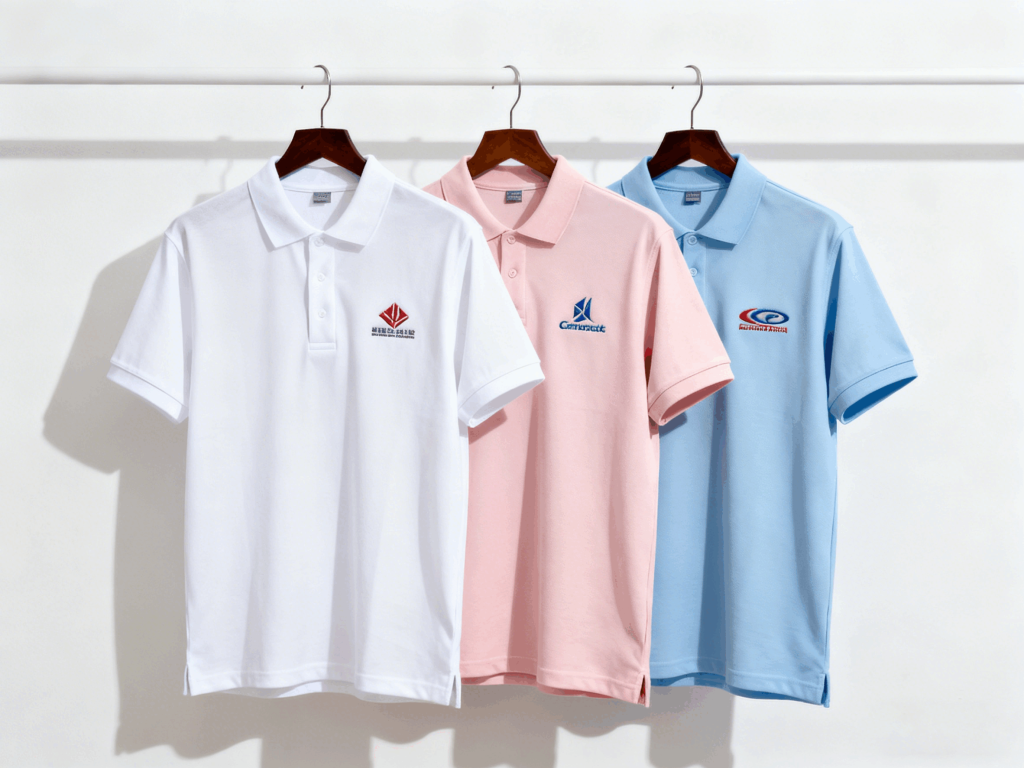
If you are shopping for polo shirts, you may see terms such as classic fit, regular fit, slim fit, and custom fit. But what is a custom fit polo shirt, and how is it different from other polo shirt fits?
A custom fit polo shirt generally describes a polo designed with a more shaped silhouette than a traditional classic or regular fit. It typically has a slightly narrower body, more fitted sleeves, and a cleaner overall profile without being as tight as a slim-fit polo.
For brands, uniform buyers, and wholesalers, understanding polo shirt fits is important because fit affects not only appearance but also comfort, sizing, and the intended application.
What Does Custom Fit Mean on a Polo Shirt?
A custom fit polo shirt usually sits between a regular fit and a slim fit.
A traditional regular-fit polo often provides more room through the chest, waist, and sleeves. A slim-fit polo is cut closer to the body and typically has a more pronounced taper.
Custom fit aims to provide a balance between these two styles.
Common characteristics include:
- A slightly tapered body
- Reduced excess fabric around the waist
- More fitted sleeves
- A cleaner shoulder line
- A modern but comfortable silhouette
However, custom fit is not a universal sizing standard. Measurements can vary significantly between brands and manufacturers.
For this reason, buyers should always check the actual garment measurements instead of relying only on the words “custom fit.”
Custom Fit vs. Regular Fit Polo Shirts
The biggest difference is usually the shape of the garment.
A regular-fit polo is designed to provide more room and easier movement. The body tends to fall relatively straight from the chest toward the hem.
A custom fit is generally more shaped.
| Feature | Regular Fit | Custom Fit |
|---|---|---|
| Body | Straighter | Slightly tapered |
| Waist | More room | More fitted |
| Sleeves | Relaxed | Slightly narrower |
| Appearance | Traditional | Modern |
| Comfort | Very relaxed | Balanced |
| Typical Use | Uniforms, casual wear | Business casual, brands |
Neither fit is automatically better. The correct choice depends on the wearer and intended application.
For example, companies purchasing uniforms for a wide range of employees may prefer a regular fit, while fashion and lifestyle brands may prefer a more tailored custom-fit silhouette.
Custom Fit vs. Slim Fit Polo Shirts
Custom fit and slim fit are sometimes confused because both provide a more modern shape than traditional polo shirts.
The main difference is generally how close the garment sits to the body.
Slim-fit polos typically feature a narrower chest, waist, and sleeves. Custom-fit polos can provide some tapering while retaining additional room for movement.
Think of the three fits as a general progression:
Regular Fit → Custom Fit → Slim Fit
The exact measurements still depend on the individual manufacturer.
This is particularly important when sourcing polo shirts in bulk. A buyer should compare chest width, body length, shoulder width, sleeve length, and waist measurements before confirming production.
Who Should Choose a Custom Fit Polo Shirt?
Custom-fit polo shirts are particularly suitable when you want a more polished appearance without creating an overly tight garment.
They can work well for:
- Fashion and lifestyle brands
- Corporate teams
- Sales staff
- Hospitality businesses
- Golf apparel
- Retail uniforms
- Business casual collections
For corporate clothing, a custom fit can create a cleaner appearance when worn with trousers or chinos.
For clothing brands, it can also provide a more contemporary silhouette than a traditional loose polo.
Can You Customize the Fit of a Polo Shirt?
Yes. When producing polo shirts through OEM manufacturing, the garment measurements can usually be adjusted according to the buyer’s requirements.
Customization can include:
- Chest width
- Shoulder width
- Body length
- Sleeve length
- Sleeve opening
- Waist width
- Hem width
A brand can provide a measurement chart, technical pack, or reference garment to communicate the required fit.
For simpler projects, however, developing an entirely new pattern may not be necessary.
Ready-stock polo shirts allow businesses to select an existing style and add their branding through embroidery, heat transfer, or printing.
Need a Faster Way to Customize Polo Shirts?
Explore ready-stock polo shirts for light customization. Choose an existing style and add your logo with embroidery, heat transfer, or printing, with MOQ starting from 50 pcs.
View Ready-Stock Polo Shirts →What Fabric Is Best for a Custom Fit Polo?
Fit is only one part of choosing a polo shirt. Fabric can significantly affect how the finished garment looks and feels.
Cotton pique is a classic option. Its textured knitted structure provides the traditional polo appearance and works well for casual, corporate, and premium styles.
Combed cotton can provide a softer and smoother hand feel, making it suitable for brands focused on comfort.
Cotton-polyester blends combine cotton comfort with characteristics such as improved durability and easier maintenance, making them useful for uniforms.
Polyester performance fabrics are commonly selected for sports, golf, outdoor work, and quick-dry polo shirts.
Fabric weight also matters. Many polo fabrics fall within approximately 140–220+ GSM, with lighter fabrics suitable for warmer environments and heavier fabrics creating a more substantial structure.
How Should a Custom Fit Polo Shirt Fit?
A well-designed custom fit should follow the shape of the body without significantly restricting movement.
The shoulder seams should sit close to the natural shoulder line, while the chest should provide enough room for comfortable movement.
The waist can taper slightly to reduce excess fabric.
Sleeves are generally more fitted than those on a classic polo but should not feel excessively tight around the upper arm.
The final fit also depends on fabric properties. A polo containing stretch fiber may accommodate a closer silhouette than a rigid fabric.
Choosing Custom Fit Polo Shirts for Your Brand
If you are developing polo shirts for a brand or company, don’t select a fit based on terminology alone.
Start by considering your target customer.
A corporate uniform program may need a more forgiving size range, while a fashion brand targeting younger consumers may prefer a more fitted silhouette.
Then consider:
- Target body measurements
- Fabric composition
- Fabric GSM
- Shrinkage
- Size range
- Intended market
- Wearing environment
Before bulk manufacturing, approving a physical sample is one of the most effective ways to evaluate the actual fit.
Frequently Asked Questions
What is a custom fit polo shirt?
A custom fit polo shirt generally has a more tailored silhouette than a regular-fit polo while providing more room than a typical slim-fit style. It often features a slightly tapered waist and more fitted sleeves.
Is custom fit the same as slim fit?
Not necessarily. Slim fit is generally cut closer to the body, while custom fit often provides a balance between a traditional regular fit and a slim silhouette.
Is custom fit tighter than regular fit?
In most cases, yes. Custom-fit polo shirts typically have less excess fabric around the waist and sleeves than regular-fit styles.
Are custom fit polo shirts suitable for uniforms?
Yes. They can work particularly well for corporate, hospitality, retail, and customer-facing teams that want a modern and professional appearance.
Can a manufacturer create my own polo shirt fit?
Yes. With OEM polo shirt manufacturing, measurements and patterns can be developed or adjusted according to your size chart, reference sample, or technical specifications.
Final Thoughts
So, what is a custom fit polo shirt? In simple terms, it is generally a polo shirt designed to provide a cleaner and slightly more tailored silhouette than a traditional regular fit, without necessarily being as close-fitting as a slim fit.
The important point is that “custom fit” does not represent one universal measurement standard. Different brands can interpret the term differently.
Whether you are buying polo shirts for personal wear or sourcing them for a brand, company, or uniform program, compare the actual measurements, fabric, GSM, and intended application before making a decision.
For brands requiring complete control, OEM manufacturing allows the fit, fabric, colors, logos, labels, and other details to be developed around a specific product concept. For smaller or faster projects, existing polo styles with light logo customization can provide a more straightforward alternative.