
The same graphic can appear very different on the smallest and largest T-shirt in an order. Buyers should decide whether artwork dimensions remain fixed or vary by size. Making that choice before production avoids an accidental mismatch between design intent and garment proportions.
Define the artwork rule
Specify the graphic width and height and its distance from a stable reference point. State whether those dimensions apply to every size. If artwork changes by size group, provide an explicit table and version references. A phrase such as centered on the chest is not a complete instruction for repeat production.
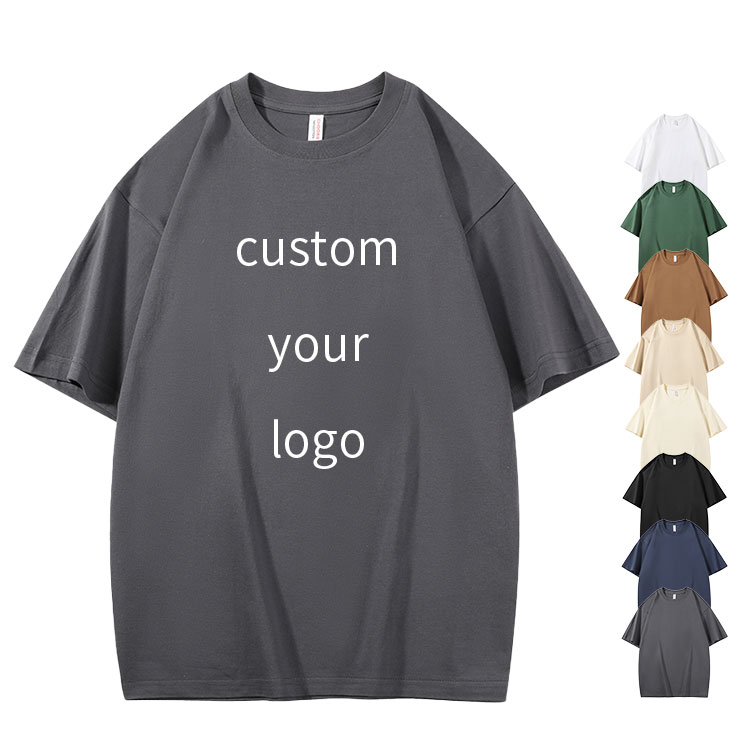
Review the range extremes
Check a small and a large sample as well as the main selling size. Examine the relationship to the neckline, seams and available print area. Large artwork can approach side seams on smaller garments. Ask the supplier about the chosen process and placement limits before approving a layout that exists only on a digital template.
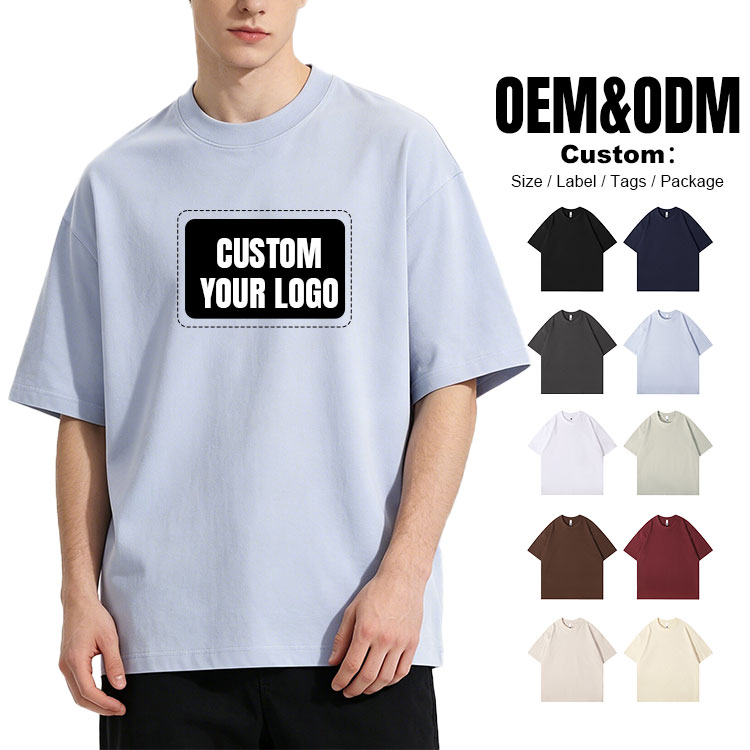
Retain a production reference
Approve the printed sample and record artwork, method and placement measurements together. At receiving, compare selected garments across the size range rather than checking only one unit. Keep photographs under consistent conditions. If a new blank is introduced, repeat placement approval because its pattern may differ even when the letter sizes look familiar.
Buyer approval checklist
- Fixed or scaled artwork rule specified
- Small and large samples checked
- Method and placement documented together
Compare ready-stock options
Browse the ready-stock t-shirts collection. The images above link to YB 28 and YB 81 as specific starting points for comparison, rather than independently tested recommendations.
Discuss sample arrangements through the sample policy and send your model, size mix and artwork requirements through GOWDL contact support. Confirm current availability, decoration suitability and an order-specific quotation before placing an order.
