
A hood that looks tidy in a product photograph may behave differently over a cap or headset. Teams should review the hood with their real accessories before approving a bulk purchase. The goal is a usable fit, not merely an attractive front view.
Bring the actual accessory
Use the same cap, headset or other permitted accessory worn at work. Try the hood with the jacket fully closed and in the normal wearing position. Record whether the accessory changes the hood shape or introduces pressure points. If protective equipment is involved, obtain advice from the responsible safety specialist; an ordinary jacket fitting is not a compatibility certification.
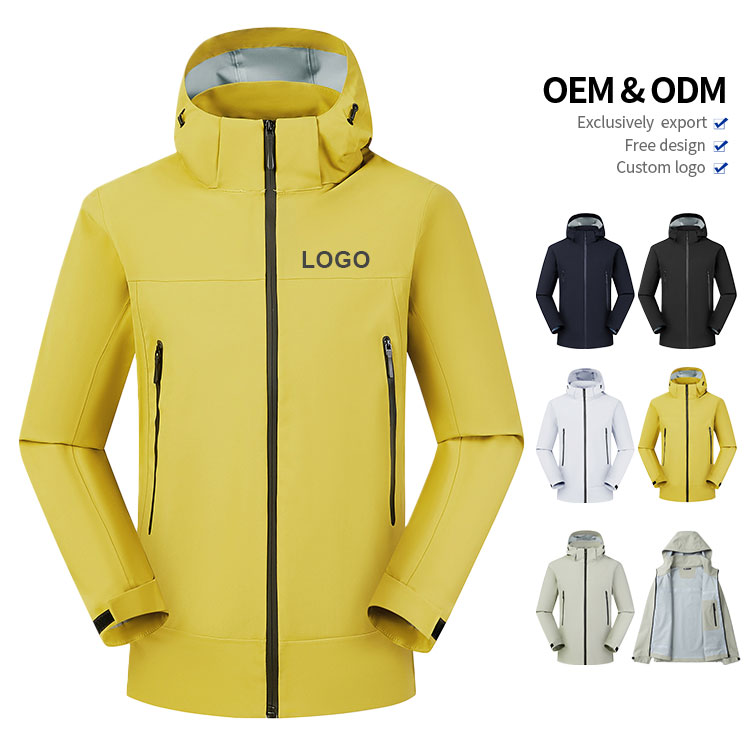
Look left, right and down
Ask the wearer to turn the head, look down and reach forward. Note whether the hood follows the movement, restricts the view or pulls at the collar. Repeat the movements after adjusting any available drawcords. Keep the observations specific so the supplier can understand whether the issue is depth, opening shape or interaction with the accessory.
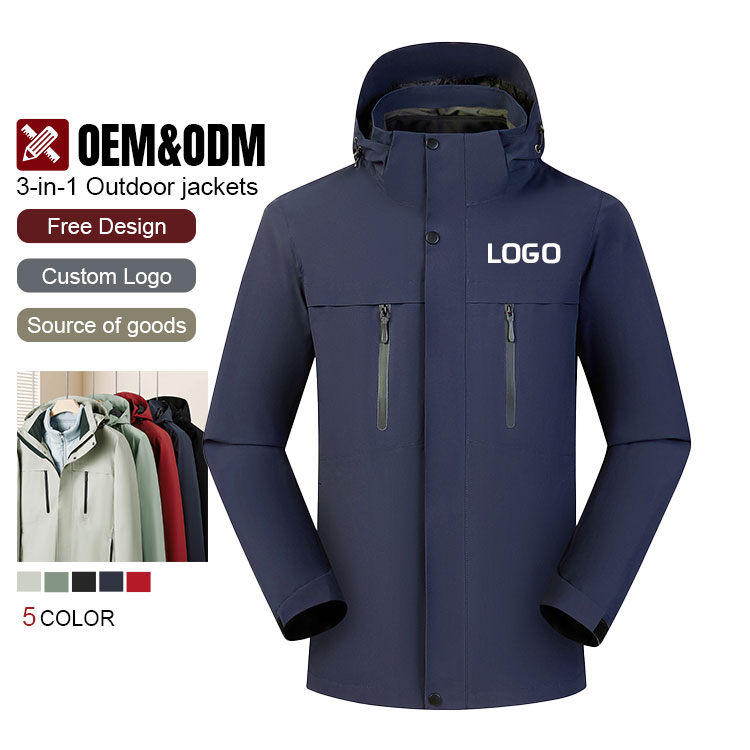
Specify what must stay consistent
Document the approved hood arrangement and adjustment positions, supported by sample photographs. If a reorder uses a different hood pattern or trim, repeat the trial. Do not assume that all hooded outdoor jackets fit the same way. Where the hood is unnecessary for the intended use, compare an alternative design rather than accepting a recurring fit problem.
Buyer approval checklist
- Actual permitted accessory included in fitting
- Head movement and view checked
- Approved hood construction recorded
Compare ready-stock options
Browse the ready-stock outdoor jackets collection. The images above link to SLL-761 and SLL-768 as specific starting points for comparison, rather than independently tested recommendations.
Discuss sample arrangements through the sample policy and send your model, size mix and artwork requirements through GOWDL contact support. Confirm current availability, decoration suitability and an order-specific quotation before placing an order.
