
A delivery should be checked against the approved order, not just counted by carton. A simple inspection record can reveal size mix errors, inconsistent decoration or unexpected construction changes before garments are distributed to a team.
Reconcile the shipment first
Match carton labels and packing lists to the purchase order. Count garments by model, color and size rather than relying on the carton total. Photograph any damaged packaging before unpacking it. Keep discrepancies separate from quality observations so a missing size is not confused with a sewing concern. Record who performed the check and which cartons were opened.
Compare with the approved sample
Use the retained sample and agreed measurements when checking selected garments. Review closures, pocket openings, visible seams and decoration placement. If a tolerance was agreed, apply the same measurement method. Do not label a shipment as compliant with a formal sampling standard unless the actual sampling plan and acceptance criteria were established and followed.

Keep findings actionable
For each issue, record the affected quantity, size, color and photograph reference. Describe the defect plainly and discuss the resolution before garments are issued. Save a representative unit where an investigation may be needed. A clear report makes it easier to distinguish an isolated repair from a systematic mismatch requiring wider review.
Buyer approval checklist
- Counts reconciled by size and color
- Retained sample used as reference
- Issue photographs linked to affected units
Compare ready-stock options
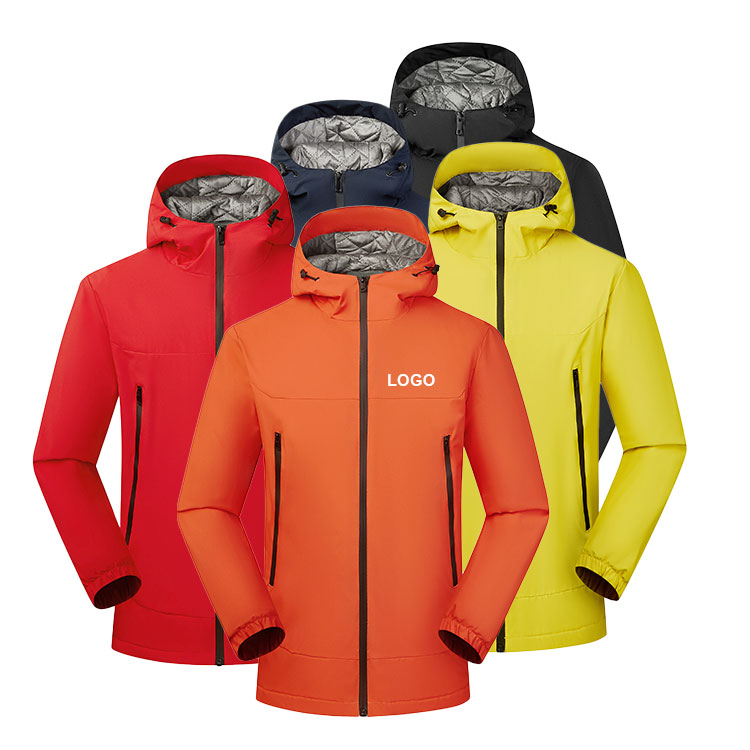
Browse the ready-stock outdoor jackets collection. The images above link to SLL-765 and SLL-769 as specific starting points for comparison, rather than independently tested recommendations.
Discuss sample arrangements through the sample policy and send your model, size mix and artwork requirements through GOWDL contact support. Confirm current availability, decoration suitability and an order-specific quotation before placing an order.
