
Uniform replacement requests can reveal whether a polo program has the right size mix and care process. Buyers should record why garments are exchanged before deciding how many spares to purchase. A replacement plan based on actual demand is easier to defend than a generic percentage.
Separate different reasons
Track new hires, size exchanges, loss and garment concerns separately. A size exchange does not necessarily indicate a defective garment. Record the model and size involved without collecting unnecessary personal information. Review patterns across roles and sites so the next order responds to evidence rather than the loudest individual complaint.
Hold the combinations that matter
Build spare quantities by size and color rather than keeping a single pool of unspecified polos. Consider how quickly the supplier can replenish the relevant combinations. If a key color is uncertain, agree an alternative route before it is needed. Keep the approved model and decoration references with the spare stock record.
Review replacements periodically
Compare spare usage with the original forecast and adjust the next purchase. If exchanges cluster around a particular fit issue, run another fitting instead of simply buying more of the same size. Where staff report care-related damage, review the garment instructions and actual process. Use those findings to improve the program rather than assuming every replacement is unavoidable.
Buyer approval checklist
- Replacement reasons tracked separately
- Spares planned by size and color
- Repeated fit issues trigger review
Compare ready-stock options
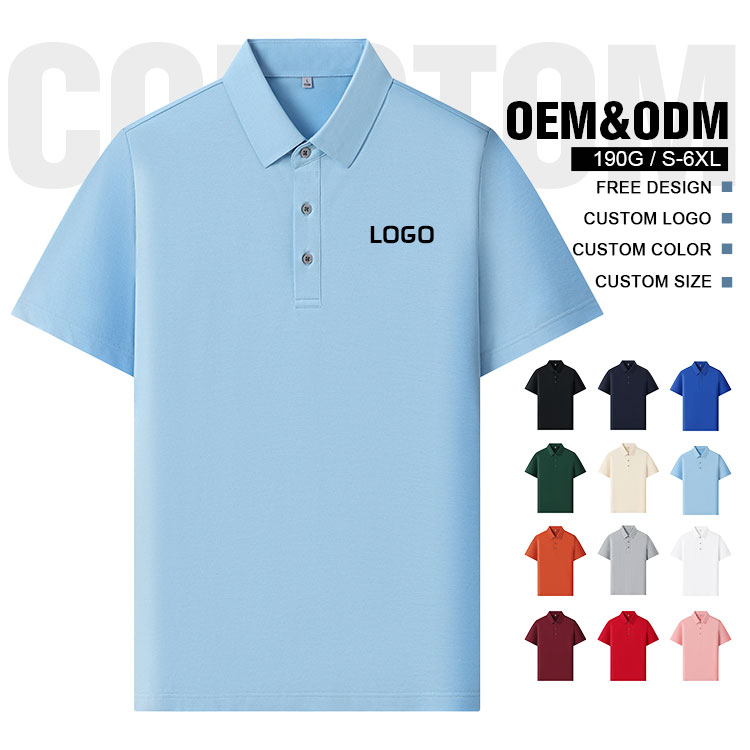
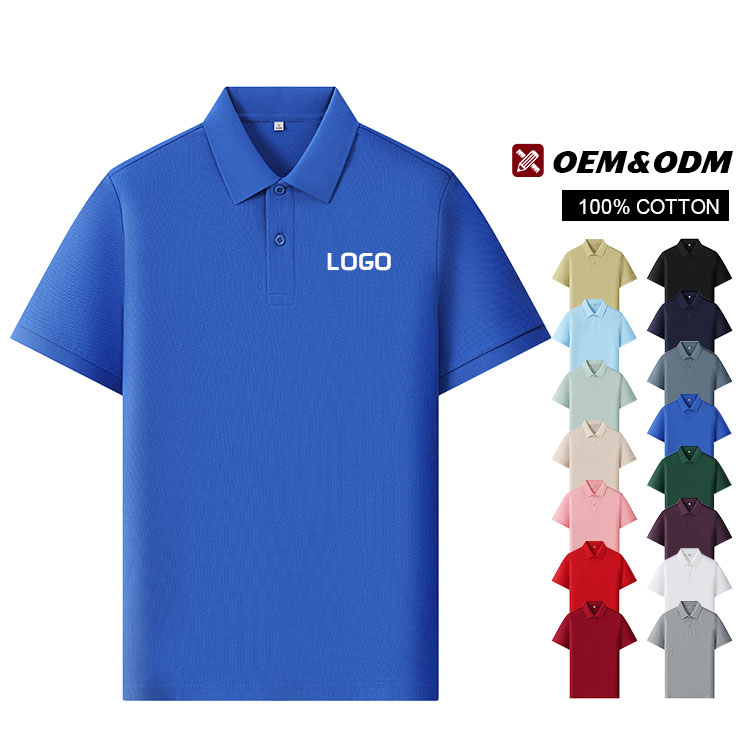
Browse the ready-stock polo shirts collection. The images above link to G-S220 and G-C10 as specific starting points for comparison, rather than independently tested recommendations.
Discuss sample arrangements through the sample policy and send your model, size mix and artwork requirements through GOWDL contact support. Confirm current availability, decoration suitability and an order-specific quotation before placing an order.
