
A heavyweight T-shirt can support a particular brand silhouette, but weight alone does not create the fit your collection needs. Before scaling a small drop, compare the pattern, artwork and customer measurements on a real sample. Keep the decision tied to your design brief.
Define the intended shape
Write down the body length, shoulder position, sleeve opening and chest ease you want. Compare a garment that already represents the brand with the candidate blank. Do not use oversized as the entire specification; different patterns can carry that label. Record measurable differences and assess them on representative wearers.
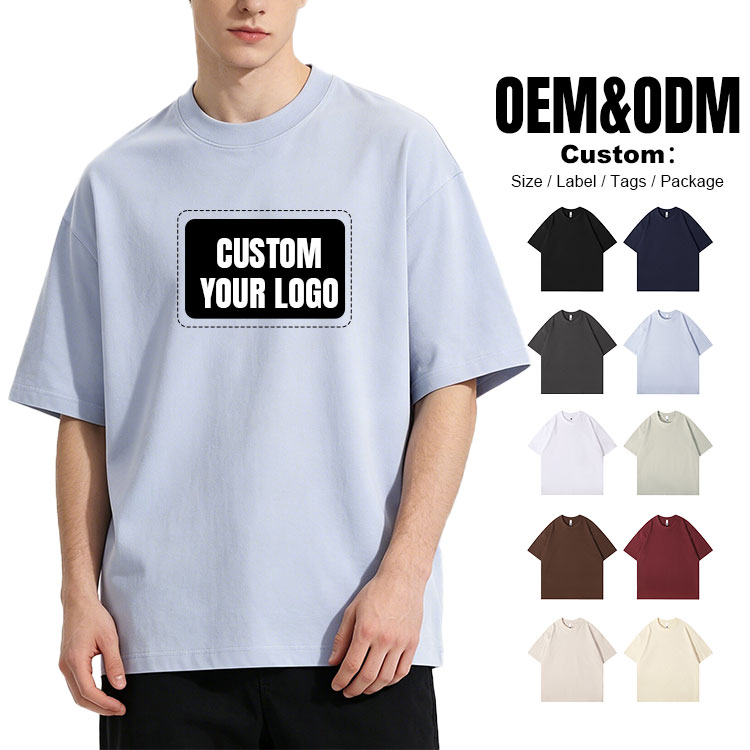
Check the graphic on the heavier blank
Review how the artwork sits when worn and how the decorated area feels. Confirm the process on the exact fabric. A large graphic that works on one blank may need another layout or method on another. Keep the approval specific to the model and color rather than extending it to every heavyweight shirt in the range.
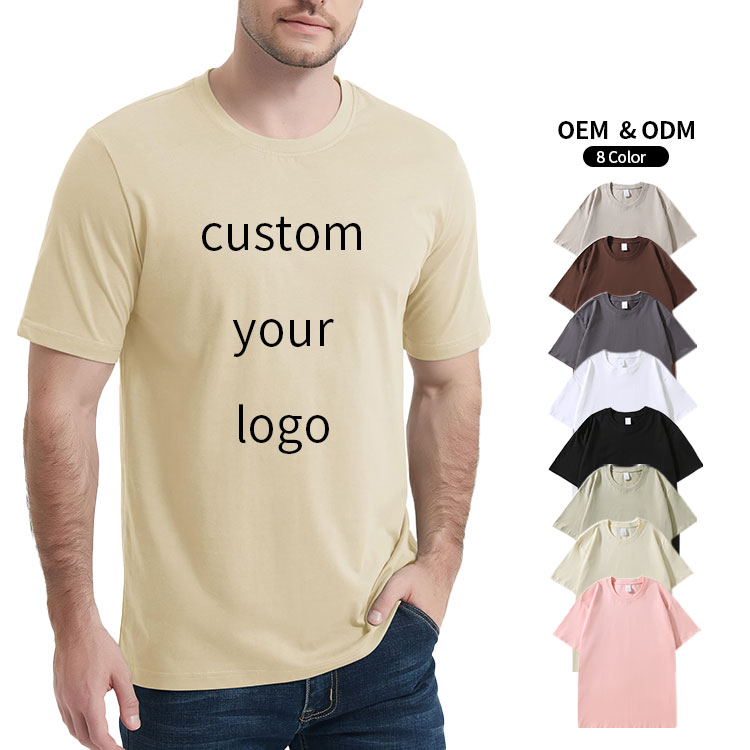
Make a pilot commercially useful
Collect fit and customer feedback before assuming a larger reorder should use the same size proportions. Track exchanges and unsold sizes separately. Confirm current stock and lead times before scheduling the next drop. Use the pilot to refine the product, not merely to produce promotional photographs of an unfinished specification.
Buyer approval checklist
- Silhouette described by garment measurements
- Graphic sampled on exact blank
- Pilot exchanges used to refine size mix
Compare ready-stock options
Browse the ready-stock t-shirts collection. The images above link to YB 81 and YB 26 as specific starting points for comparison, rather than independently tested recommendations.
Discuss sample arrangements through the sample policy and send your model, size mix and artwork requirements through GOWDL contact support. Confirm current availability, decoration suitability and an order-specific quotation before placing an order.
