
A useful wash trial compares measurements before and after an agreed care routine. It should not start with an assumed shrinkage percentage. For cotton T-shirt purchases, a documented trial helps buyers decide whether the sample meets their own sizing and appearance requirements.
Measure a clear baseline
Identify the sample model and size and use a consistent flat measurement method. Record body length, chest width and any other points that matter to fit. Photograph the garment before treatment. Keep an untreated reference if practical. Do not confuse fabric weight with a prediction of how much the finished shirt will change.
Follow the relevant care guidance
Use the care instructions supplied for the actual shirt and decoration. Record the washing and drying conditions and the number of cycles. Do not present a home trial as a standardized laboratory result. If the project requires a formal performance claim, agree an appropriate method and provider rather than inventing one from informal observations.
Review fit and decoration together
Measure the same points after treatment under consistent conditions. Check seam twisting, collar appearance and the printed or embroidered area as well. Decide whether the observed changes are acceptable for the intended product. Share the record with the supplier and resolve concerns before bulk approval. Retain the accepted sample so future orders have a reference.
Buyer approval checklist
- Baseline points and garment size documented
- Care conditions recorded
- Post-wash fit and artwork both assessed
Compare ready-stock options
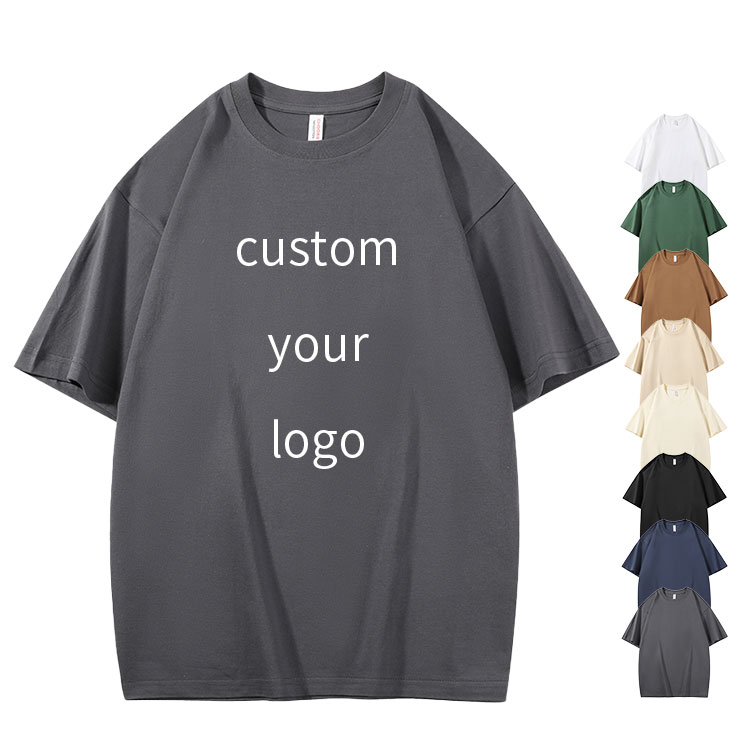
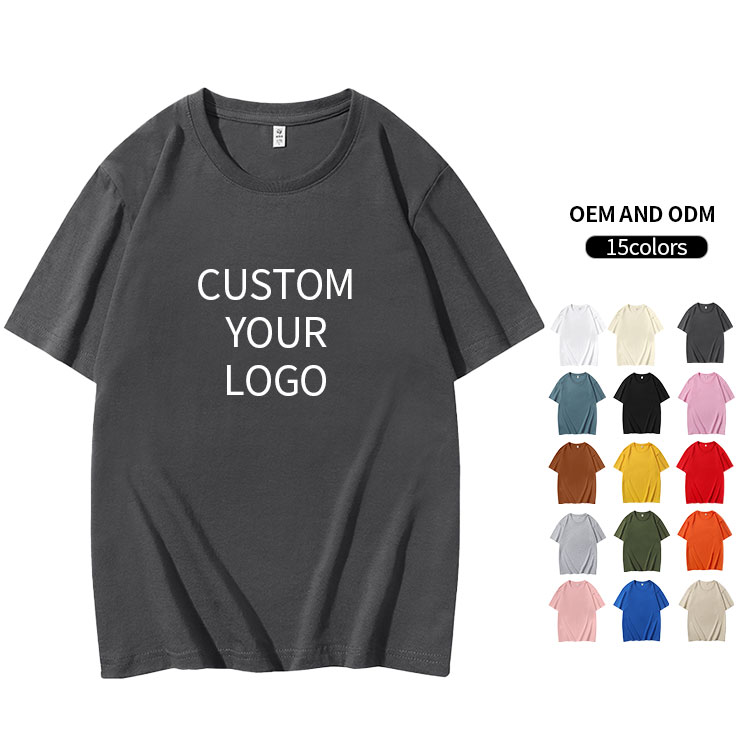
Browse the ready-stock t-shirts collection. The images above link to YB 28 and YB 03 as specific starting points for comparison, rather than independently tested recommendations.
Discuss sample arrangements through the sample policy and send your model, size mix and artwork requirements through GOWDL contact support. Confirm current availability, decoration suitability and an order-specific quotation before placing an order.
