
A heavier T-shirt is not automatically the better purchase. Fabric weight is one useful specification, but buyers should connect it to the intended season, silhouette and decoration. Comparing samples under the same conditions makes the GSM discussion more practical.
Build a use-based comparison
GOWDL's ready-stock collection includes listings described as 180, 230 and 300 GSM. Use those as weight references, then compare actual samples for drape, coverage and how they feel on the wearer. Keep fiber composition and fit in the comparison too. A weight value alone does not prove softness, durability or suitability for hot conditions.
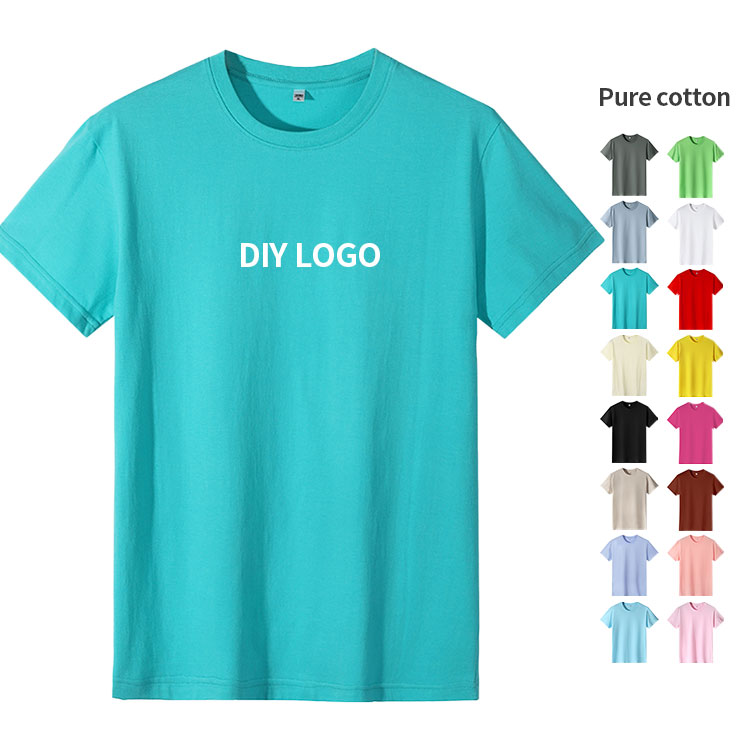
Test the proposed artwork
Place the actual design at its intended dimensions and review a decorated sample. A large graphic changes how a shirt feels, so judging only the blank can miss an important part of the customer experience. Record the printing method and how the sample was cared for. Do not infer wash performance from a product photograph.
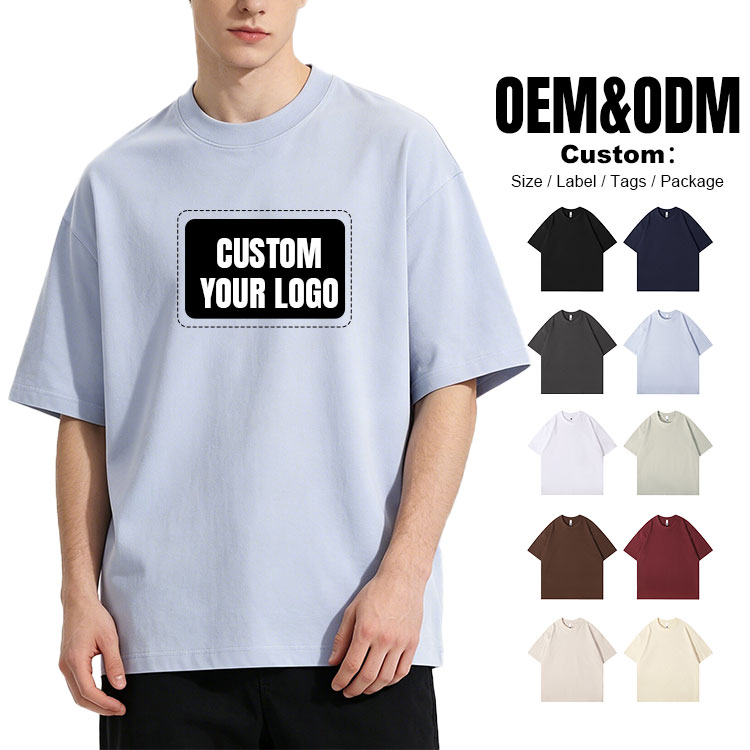
Avoid purchasing by a single number
Decide which sample meets the brief, then confirm measurements, color availability and decoration requirements. A lighter option may fit an event project while a heavier silhouette may fit a different brand concept. Neither conclusion should be generalized to all customers. Keep the chosen use and approval criteria in the purchase order.
Buyer approval checklist
- Weight compared alongside fit and composition
- Artwork reviewed on the chosen blank
- Sample chosen for a defined use
Compare ready-stock options
Browse the ready-stock t-shirts collection. The images above link to YB 04 and YB 81 as specific starting points for comparison, rather than independently tested recommendations.
Discuss sample arrangements through the sample policy and send your model, size mix and artwork requirements through GOWDL contact support. Confirm current availability, decoration suitability and an order-specific quotation before placing an order.
