
A sample approval should remain understandable after the original buyer leaves the project. For outdoor jackets, a reference file can connect fit, construction, branding and stock requirements in one place. It turns a one-time conversation into a repeatable order specification.
Identify the approved garment
Label the sample with model, size and order reference. Retain the measurement chart and photographs of relevant features. Explain any approved departure from the original catalog listing. Without this context, a later team may compare production with the wrong sample or mistake an early prototype for the final decision.
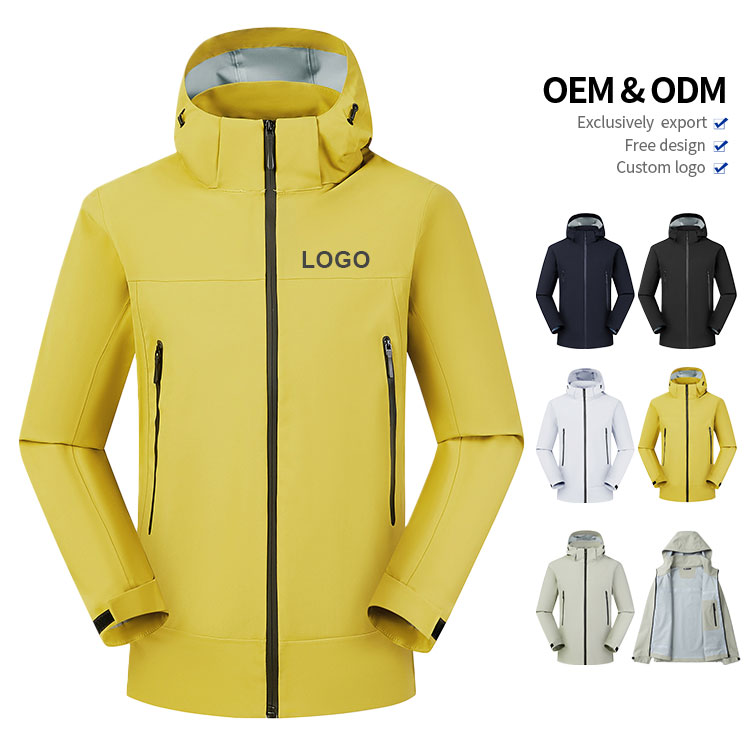
Record acceptance conditions
List the agreed measurements, decoration dimensions, artwork version and any performance documentation required by the brief. Keep appearance approval separate from functional evidence. Name unresolved items explicitly rather than assuming they were accepted. If a condition changes, update the file and identify the superseded version.
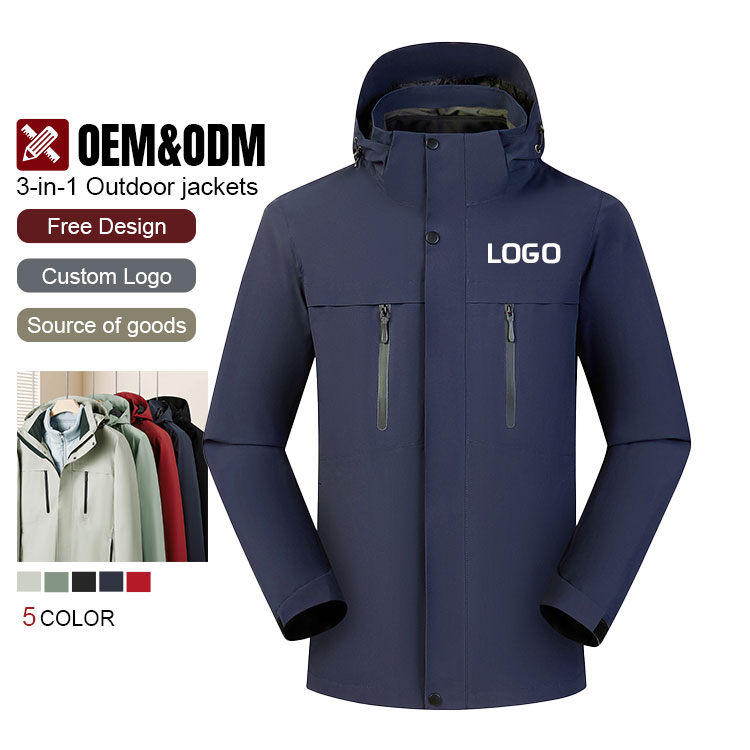
Make the file usable at reorder
Store the physical sample where the receiving team can access it and keep the associated records searchable by model or order. Include the replenishment discussion and approved substitution rules. When the next batch arrives, compare it with the reference and record deviations. Consistency depends on clear records, not on trusting that everybody remembers the first order.
Buyer approval checklist
- Final sample clearly distinguished from prototypes
- Approval conditions and artwork version retained
- Receiving team can access the reference
Compare ready-stock options
Browse the ready-stock outdoor jackets collection. The images above link to SLL-761 and SLL-768 as specific starting points for comparison, rather than independently tested recommendations.
Discuss sample arrangements through the sample policy and send your model, size mix and artwork requirements through GOWDL contact support. Confirm current availability, decoration suitability and an order-specific quotation before placing an order.
