
Packaging can either simplify a jacket rollout or transfer sorting work to each office. For multi-site teams, specify how garments should be grouped before the supplier packs them. Clear carton references make receiving faster and reduce allocation mistakes.
Create a destination packing plan
List the quantity of each model, size and color required at every site. Reconcile the site totals with the purchase order. Decide whether sites receive separate cartons or whether a central warehouse will split the shipment. Use location codes and avoid personal details on outer packaging where they are not necessary.
Agree labels that staff can understand
Define the carton identifier, size-and-color contents and destination code. Ask for a matching packing list. If individual garments require labels, confirm their format and placement without covering care information. A consistent coding system is more useful than free-form notes that different departments interpret differently.
Verify before the rollout
Review the packing plan with the supplier before dispatch, then reconcile it at receiving. Keep damaged or short cartons separate for investigation. Plan a route for surplus sizes and exchanges between sites. A distribution record helps distinguish an incorrect supplier shipment from a garment moved internally after delivery.
Buyer approval checklist
- Site totals reconciled with order totals
- Carton codes matched to packing list
- Exchange and surplus route defined
Compare ready-stock options
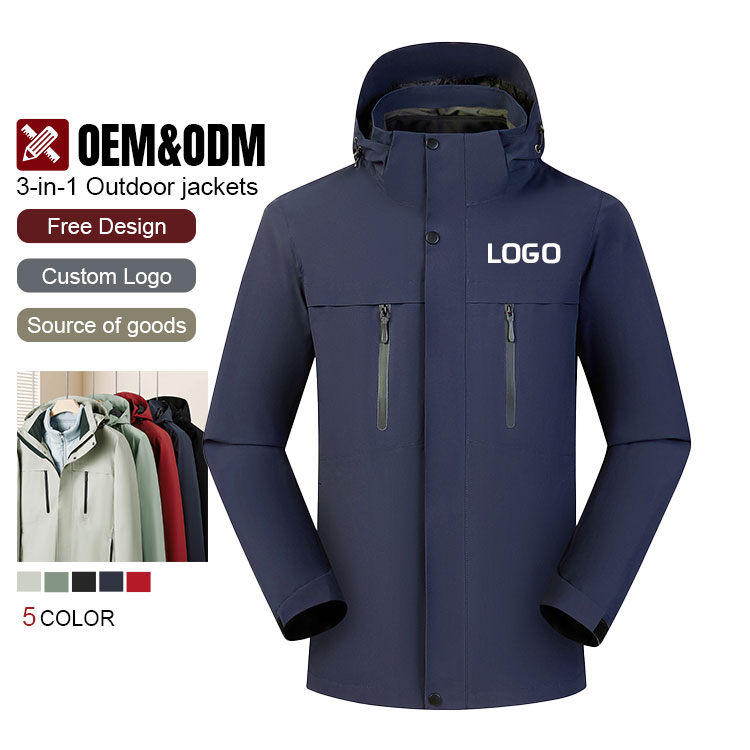
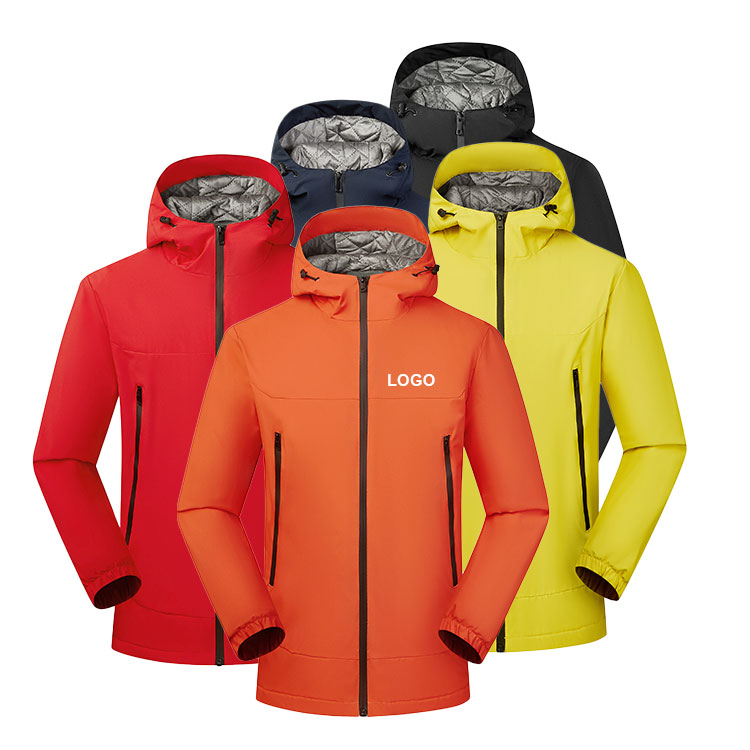
Browse the ready-stock outdoor jackets collection. The images above link to SLL-768 and SLL-765 as specific starting points for comparison, rather than independently tested recommendations.
Discuss sample arrangements through the sample policy and send your model, size mix and artwork requirements through GOWDL contact support. Confirm current availability, decoration suitability and an order-specific quotation before placing an order.
