
A unisex label does not mean that one cut will fit every member of a team equally well. Buyers can improve the fitting process by collecting specific measurements and feedback without making assumptions about the wearer. The aim is a usable allocation for the whole group.
Offer a consistent fitting procedure
Provide the intended underlayer and explain the same movement checks to every participant. Let wearers identify preferred comfort and coverage without reducing the decision to a height-and-weight chart. Record the garment size and measurements. Avoid collecting personal information that does not help the apparel decision.
Identify gaps in the available range
Check whether the smallest and largest required fits are genuinely covered. Where a standard size creates a length or shoulder problem, investigate another cut or model. Do not push a wearer into an unsuitable garment just to maintain a simple size list. Explain any alternative clearly so department allocation remains consistent.
Maintain dignity during distribution
Use a private exchange process and keep spare options available where practical. Track which sizes are frequently exchanged so the next order can improve. Avoid publishing individual measurements on shared handout lists. Procurement needs reliable quantities and fit records, not unnecessary exposure of wearer information.
Buyer approval checklist
- Same movement sequence used for all wearers
- Fit gaps addressed rather than hidden
- Private exchange process available
Compare ready-stock options
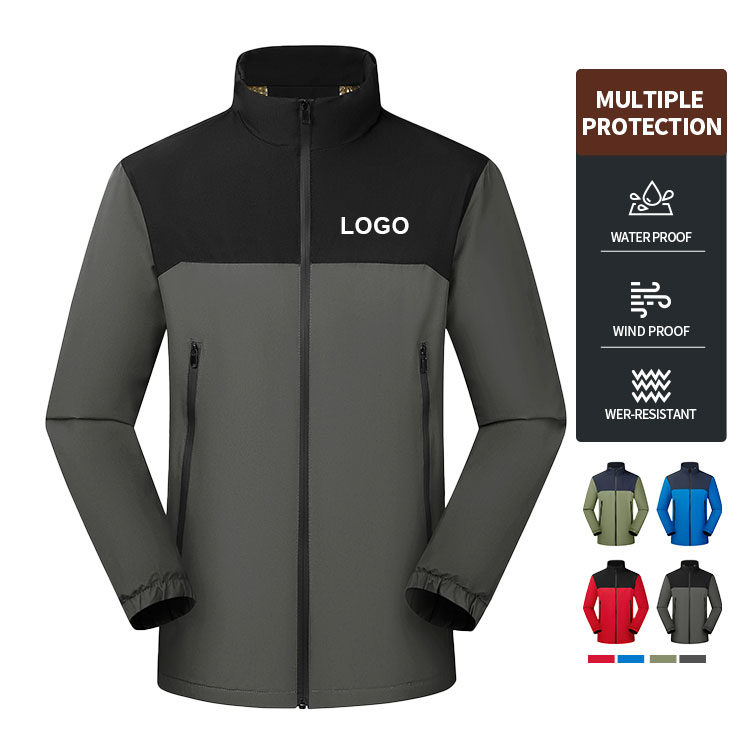
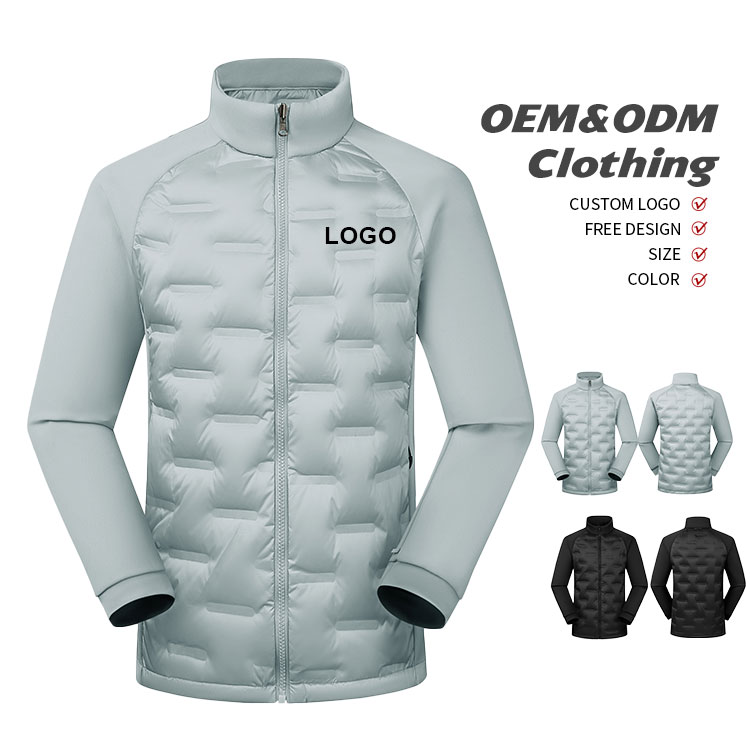
Browse the ready-stock outdoor jackets collection. The images above link to SLL-762 and SLL-769 as specific starting points for comparison, rather than independently tested recommendations.
Discuss sample arrangements through the sample policy and send your model, size mix and artwork requirements through GOWDL contact support. Confirm current availability, decoration suitability and an order-specific quotation before placing an order.
