
Ready stock describes the availability of base garments, not the completion of every step in a branded order. A practical schedule separates stock reservation, sample approval, decoration and dispatch. This gives buyers a clearer view of what could affect the arrival date.
Confirm the starting inventory
Request quantities by size and color and clarify whether they are reserved for the order. Record when that confirmation expires. A catalog listing is a starting point for discussion, not a live guarantee for every combination. If stock is incomplete, agree the resolution before building the rest of the schedule around it.
Give approval its own deadline
Allocate time for artwork checks and a decorated sample where required. Name the person who can approve it and identify the version being reviewed. A supplier cannot complete unresolved branding decisions on the buyer's behalf. Include a realistic route for corrections so the schedule does not depend on every first sample being accepted.
Distinguish dispatch from arrival
Confirm when goods will leave and how the estimated transit time is calculated. Consider destination handling and any documentation the receiving team must supply. Ask for milestones and tracking rather than a single vague delivery promise. Where the arrival date is essential, discuss contingency options before a missed milestone becomes an urgent shipment request.
Buyer approval checklist
- Inventory confirmation period recorded
- Sample approval owner and deadline identified
- Dispatch and arrival dates treated separately
Compare ready-stock options
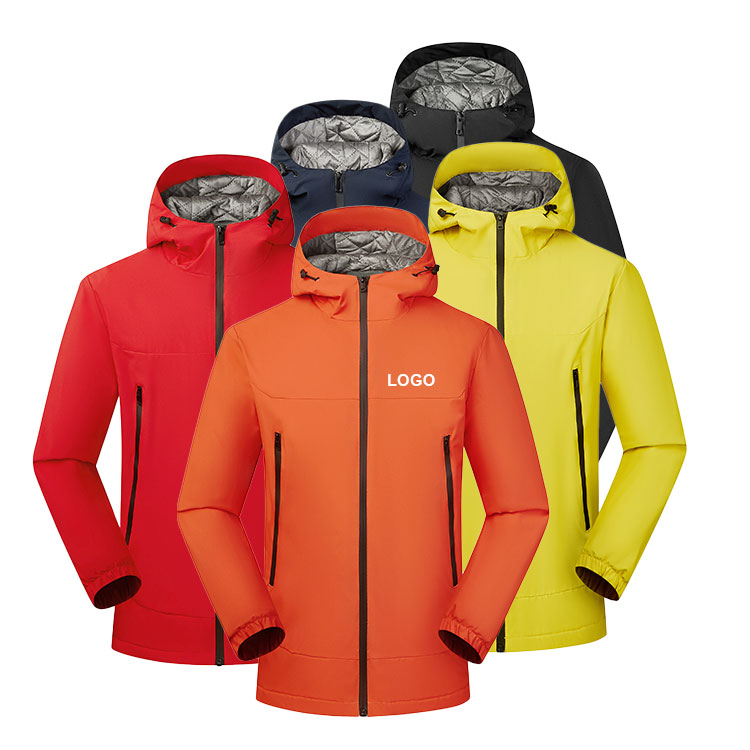
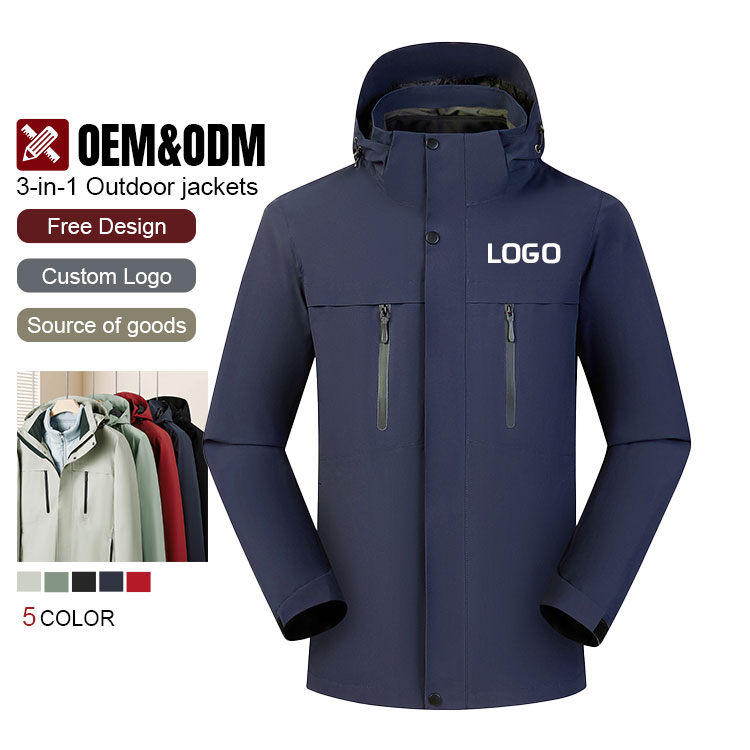
Browse the ready-stock outdoor jackets collection. The images above link to SLL-765 and SLL-768 as specific starting points for comparison, rather than independently tested recommendations.
Discuss sample arrangements through the sample policy and send your model, size mix and artwork requirements through GOWDL contact support. Confirm current availability, decoration suitability and an order-specific quotation before placing an order.
