
Care instructions should follow the actual garment and decoration, not a generic outdoor-clothing guide. A short handover sheet helps staff look after team jackets consistently and gives procurement a clearer basis for investigating later damage.
Read the garment label first
Obtain the care information for the exact model and material. Check whether decoration adds any restrictions and ask the supplier to resolve contradictory instructions. Do not invent washing temperatures or cleaning treatments from fiber composition alone. Keep the final instruction set with the order documents and make it accessible to staff.
Make instructions usable
Translate technical symbols or supplier wording into a simple staff sheet without changing their meaning. State the permitted routine, storage expectations and whom to contact if a closure fails. Where a jacket has a claimed functional finish, ask for the manufacturer's specific care guidance rather than assuming that a household treatment will restore performance.
Record feedback without guessing causes
If staff report peeling decoration, unusual shrinkage or damaged trim, collect photographs and care history. Compare the affected garment with an unused reference if available. Avoid attributing the issue automatically to user error or a manufacturing defect. A documented sequence allows the supplier and buyer to investigate with less speculation.
Buyer approval checklist
- Exact model care label obtained
- Decoration restrictions reconciled
- Staff instructions and issue reporting route provided
Compare ready-stock options
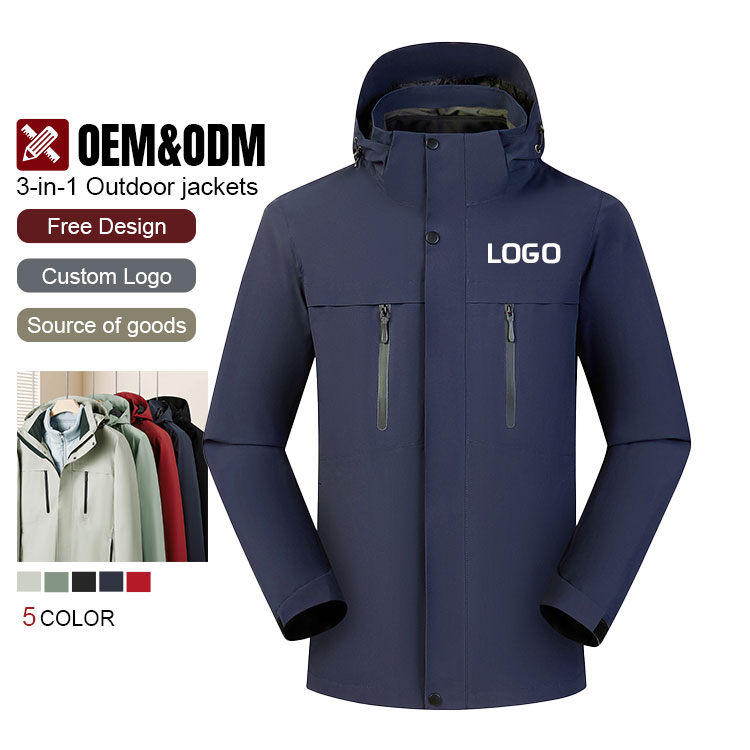
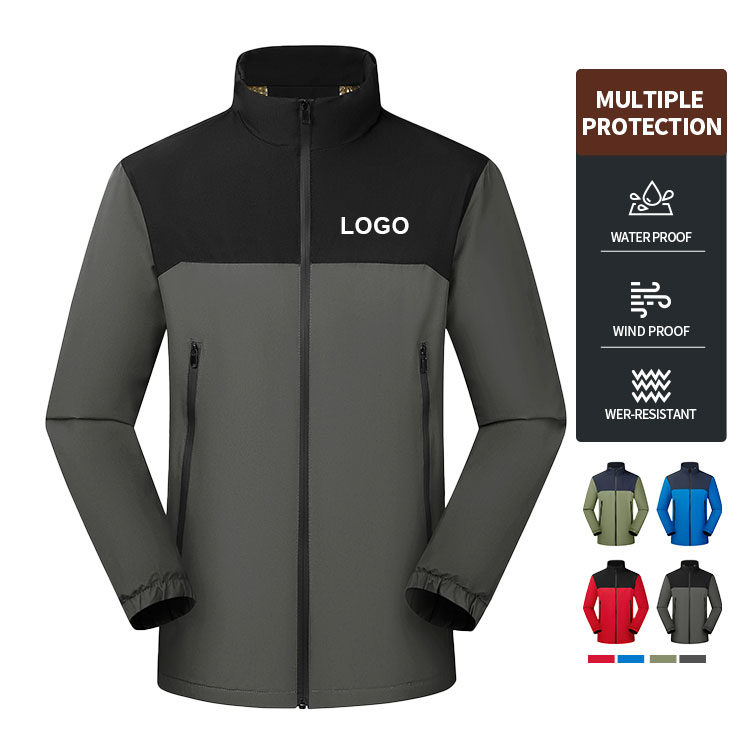
Browse the ready-stock outdoor jackets collection. The images above link to SLL-768 and SLL-762 as specific starting points for comparison, rather than independently tested recommendations.
Discuss sample arrangements through the sample policy and send your model, size mix and artwork requirements through GOWDL contact support. Confirm current availability, decoration suitability and an order-specific quotation before placing an order.
